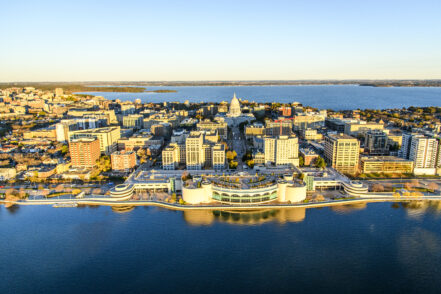
Despite providing a wide variety of recycling education and outreach materials, the citywide recycling error rate remains fairly consistent, which has both environmental and financial consequences for the community. To better understand how residents currently access recycling information and how they would like to receive it in the future, the Madison Streets Division worked with […]
Read More… from Designing resident outreach strategies improve recycling understanding and reduce error rates
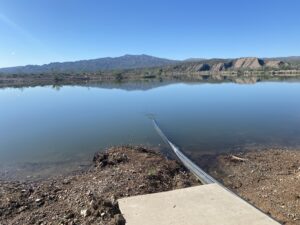
The Sulphur Springs Water Alliance is committed to advancing regional water awareness, conservation, and community engagement across southeastern Arizona through education, outreach, and collaborative partnerships. To support these efforts, a graphic design class will develop a suite of marketing and outreach materials that strengthen the Alliance’s public presence and communicate key messages related to water […]
Read More… from Sulphur Springs Water Alliance Design
Communities across Arizona are increasingly focused on long-term water sustainability and public awareness, creating opportunities to engage younger generations in conservation efforts through education, outreach, and community-based initiatives. This project will explore youth engagement strategies centered around water conservation, with an emphasis on empowering students and young residents to become active participants in promoting sustainable […]
Read More… from Youth Water Conservation Engagement Strategies
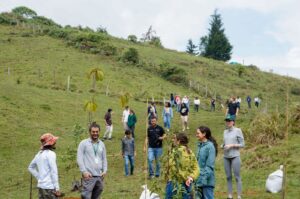
The municipality of La Estrella, Antioquia faces increasing pressure along its urban–rural edge, where urban expansion has created tensions with the main ecological structure, affecting food security and the hydrological balance. In particular, peri-urban areas face risks associated with landslides and flooding, which are intensified by urbanization processes and the transformation of strategic agroecosystems. SERES […]
Read More… from SERES: Sustainability and Ecology for the Restoration of Social Ecosystems
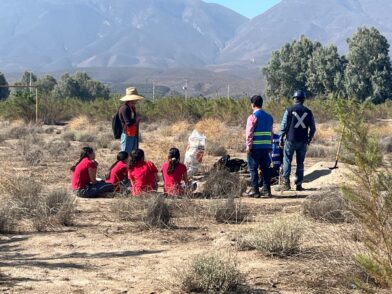
Teachers and students from FCITEC coordinated their courses around a project focused on community activity in Valle de las Palmas (municipality of Tecate, Baja California). This section of the project analyzes the legal, hydrological, resource management, and project administration aspects of construction waste management the Valle de las Palmas area, considering its impact on the […]
Read More… from Bioadaptation Project for the Ecosystems of the Valle de las Palmas River Basin – Tijuana (community intervention)
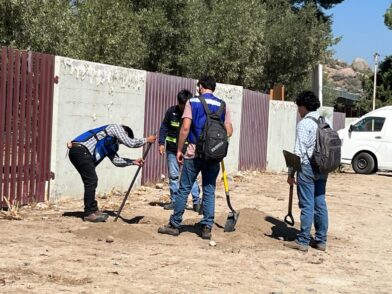
Teachers and students from FCITEC coordinated their courses around a project involving the community of Valle de las Palmas (municipality of Tecate, Baja California). The project seeks to evaluate the use of materials recovered from construction waste and glass in order to promote sustainable construction practices and mitigate the community’s vulnerability to soil, aquifer, and […]
Read More… from Bioadaptation of ecosystems in the Valle de las Palmas-Tijuana river basin. Recycling of construction waste and glass
Esta propuesta responde a la necesidad de disminuir el impacto ambiental de la industria de la construcción. El proyecto pretende promover una gestión adecuada de los residuos de actividades de la industria de la construcción, mediante el diseño y aplicación de metodologías y estrategias con criterios AbE, que mitiguen la vulnerabilidad de la comunidad de […]
Read More… from Ecosystem-based adaptation of the Tijuana River basin, focusing on recycling construction waste and glass
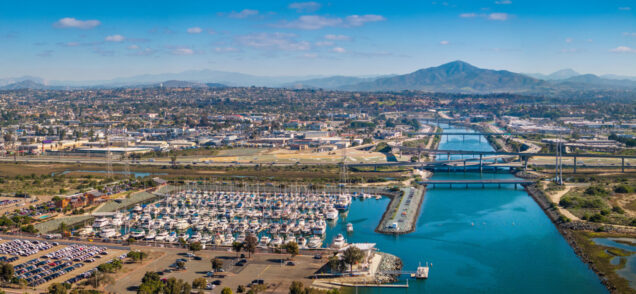
This report contains a series of policy proposals developed by San Diego State University (SDSU) students, in collaboration with National City officials and the SDSU Sage Project, to increase the use of existing earthquake preparedness resources among National City residents. The primary focus of student research was the California Earthquake Brace + Bolt program and […]
Read More… from The National City Earthquake Safety & Outreach Initiative
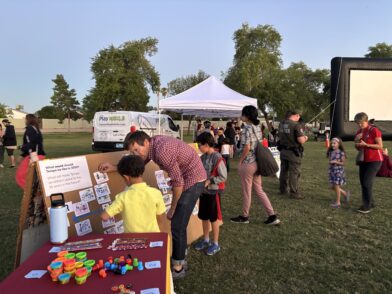
The City of Tempe is a vibrant and forward-thinking community at the heart of the Phoenix Metropolitan Area. Home to more than 190,000 residents and the Arizona State University Tempe Campus, the City is committed to promoting long-term livability, economic vitality, and equitable access to opportunities for all generations. In response to shifting demographics and […]
Read More… from Incorporating Young Perspectives into Planning Tempe’s Future
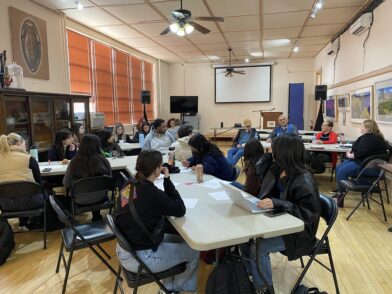
The Town of Miami is a historic mining community situated in Arizona’s Copper Corridor. With a growing population driven by renewed mining activity, the Town is seeking to position itself as a sustainable and attractive destination for both visitors and new residents. To help realize this vision, the Town of Miami is initiating a series […]
Read More… from Tourism Development Planning for the Town of Miami