Website: https://www.aku.edu.tr Afyon Kocatepe University (AKÜ) is a public university in Afyonkarahisar, on the inner Aegean plateau of western Türkiye. It was founded on July 3, 1992 and takes its name from the ridge from which the decisive campaign of the Turkish War of Independence was directed. Around 30,000 students are enrolled across its faculties, graduate […]
Read More… from Afyon Kocatepe University
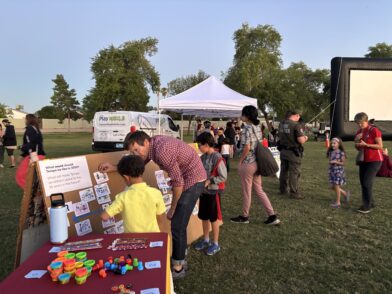
The City of Tempe is a vibrant and forward-thinking community at the heart of the Phoenix Metropolitan Area. Home to more than 190,000 residents and the Arizona State University Tempe Campus, the City is committed to promoting long-term livability, economic vitality, and equitable access to opportunities for all generations. In response to shifting demographics and […]
Read More… from Incorporating Young Perspectives into Planning Tempe’s Future
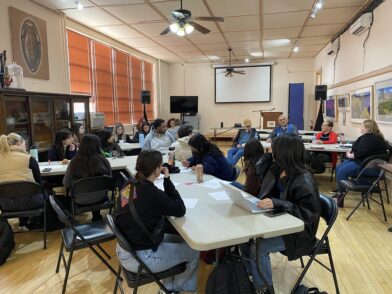
The Town of Miami is a historic mining community situated in Arizona’s Copper Corridor. With a growing population driven by renewed mining activity, the Town is seeking to position itself as a sustainable and attractive destination for both visitors and new residents. To help realize this vision, the Town of Miami is initiating a series […]
Read More… from Tourism Development Planning for the Town of Miami
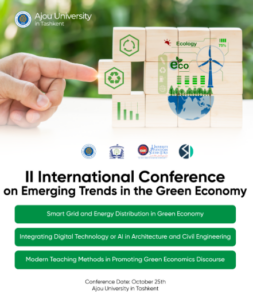
The Green Technology & Sustainable Education Conference at Ajou University Tashkent (AUT), chaired by Professor Dr Che Zalina Zulkifli, is a major regional platform to accelerate green innovation, green university transformation, and sustainable education across Uzbekistan. The conference follows the EPIC-N Model by connecting university expertise with local environmental authorities, industry partners, and communities to […]
Read More… from Green Technology and Sustainable Education Conference
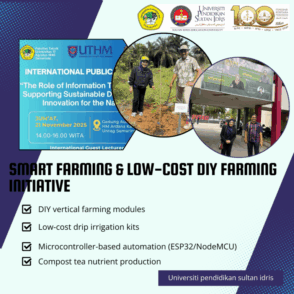
This project, led by Professor Dr Che Zalina Zulkifli, introduces Smart Farming and Low-Cost DIY Farming technologies to support community farmers and student learning in Samarinda, Kalimantan. The initiative addresses the need for affordable, scalable, and sustainable farming methods suitable for both rural and urban communities. The approach aligns fully with the EPIC-N Model, which […]
Read More… from Smart Farming & Low-Cost DIY Farming Initiative
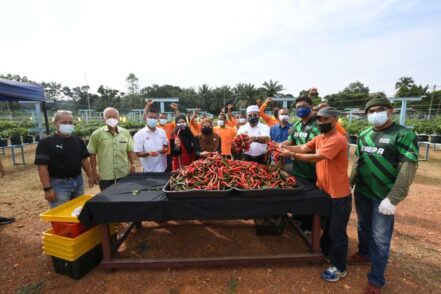
The EduGreen Compost Program at UPSI is a flagship sustainability initiative designed to strengthen environmental education, green lifestyle adoption, and community practice, while embedding sustainability within the academic curriculum. Led by Prof. Dr. Che Zalina Zulkifli, this programme integrates: The initiative reflects the EPIC-N philosophy: a real-world sustainability challenge matched with university expertise and an […]
Read More… from EduGreen Composting for Sustainable Campus & Community Initiative
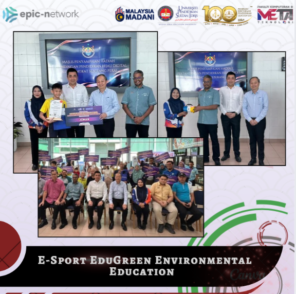
Aligned EPIC Model: Community-Driven Sustainable Development through University–Local Government Partnerships The E-Sport EduGreen Environmental Education Initiative is an innovative, youth-focused sustainability programme that integrates digital engagement, E-sports culture, environmental literacy, and community behavioural change.Developed and led by Prof. Dr. Che Zalina Zulkifli, this initiative has rapidly expanded across Malaysian communities, involving: This model demonstrates an […]
Read More… from E-Sport EduGreen Environmental Education Initiative
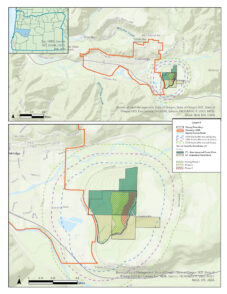
StoneBroke LLC proposed the development of Old Hazeldell Quarry, a gravel quarry located on TV Butte just outside of Oakridge, Oregon. The City of Oakridge partnered with students from the University of Oregon to preliminarily evaluate and map the potential environmental impacts of the proposed quarry using publicly available ArcGIS data sets. Specific concerns regarding […]
Read More… from TV Butte Quarry: Environmental Impact Assessment

This project addresses the City of Oakridge’s capital improvement planning and potential funding sources for the city’s aging infrastructure, focusing primarily on the wastewater treatment facility (WWTF). Throughout the term students and faculty toured the WWTF, and other locations and produced a SWOT (Strengths/Weaknesses/Opportunities/Threats) analysis. After aggregating and organizing best practices research from comparable communities […]
Read More… from Wastewater Treatment Facility Analysis and Capital Improvement Plan Development
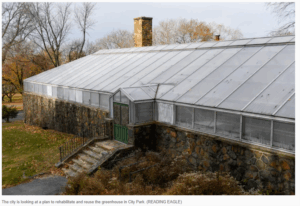
The City of Reading owns a large greenhouse, 6,500sqft in City Park that has been vacant since 2018. The City is interested in using the Greenhouse to educate the public about growing plants and sustainable food systems, promote the local farmers market and local food initiatives, serve for training and workforce development purposes, and to […]
Read More… from Revitalizing the City of Reading Greenhouse as a Community Space