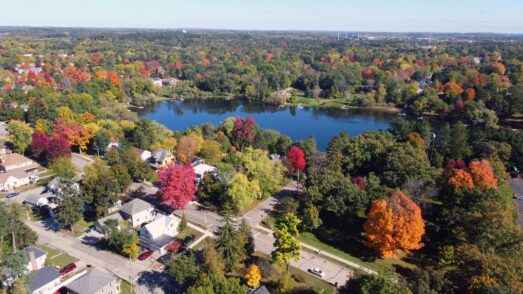
As Waupaca’s population increases and its facilities continue to age, the city is interested in designing a public safety square that would include a combined facility for police and fire services. A group of engineering students created five site plans that included drive-through bays for firetrucks, space for full-time firefighters, an impound lot for the […]
Read More… from Envisioning a “Public Safety Square” in Waupaca
Industrial Systems Engineering students used a systems approach to identify opportunities for increased operational efficiencies and coordination between the 12 Emergency Medical Services (EMS) providers in Jefferson County. Students recommended interventions such as a roving paramedic position or shared secondary ambulances as cost-effective strategies to save costs while maintaining response times and expanding 24/7 paramedic-level […]
Read More… from Identifying countywide systems efficiencies and opportunities for cost savings
Interdisciplinary engineering students evaluated the costs and benefits of introducing a countywide Emergency Medical Services (EMS) levy and moving away from individual township contracts. To support local decision makers, students created a decision matrix that analyzes factors such as financial sustainability, administrative burden, and service equity that helped quantify the potential benefits of shifting towards […]
Read More… from Exploring countywide EMS funding models and feasibility in Jefferson County

To address financial and spatial inefficiencies, Iowa County is seeking recommendations for four facilities, including the courthouse, health and human services, law enforcement, and community services. Informed by a site visit, interdisciplinary engineering students identified short-term and long-term solutions that include relocating some county units and services and building an addition to an existing county-owned […]
Read More… from Analyzing facility space use and needs for Iowa County
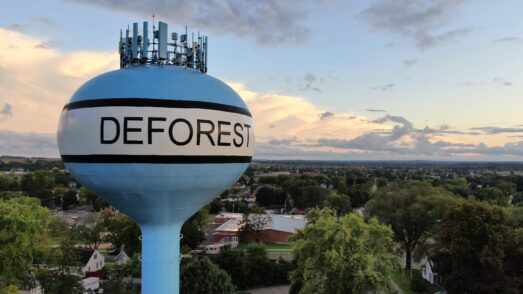
Engineering students developed three options for the Village of DeForest’s North Street corridor, which functions as a key east-west route connectign residential areas, commercial destinations, regional transportation facilities, and major arterials. The plans included a full corridor rebuild, complete reconstruction, and mixed reconstruction. […]
Read More… from Planning for the North Street corridor in DeForest
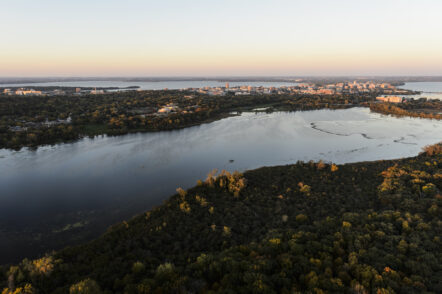
A student intern partnered with Dane County to research supportive housing and sustainable service financing for unhoused residents in the county. By inventorying existing practices in Dane County, evaluating evidence-based best practices, and examples from other communities, the student provided recommendations for reliable, long-term service funding strategies that support permanent housing outcomes. […]
Read More… from Assessing supportive housing and sustainable service financing for unhoused residents in Dane County
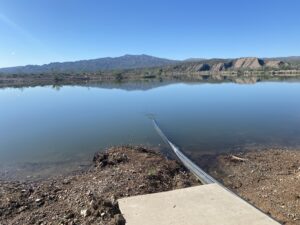
The Sulphur Springs Water Alliance is committed to advancing regional water awareness, conservation, and community engagement across southeastern Arizona through education, outreach, and collaborative partnerships. To support these efforts, a graphic design class will develop a suite of marketing and outreach materials that strengthen the Alliance’s public presence and communicate key messages related to water […]
Read More… from Sulphur Springs Water Alliance Design
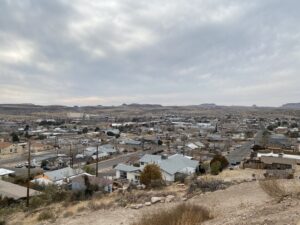
Communities across Arizona are increasingly focused on long-term water sustainability and public awareness, creating opportunities to engage younger generations in conservation efforts through education, outreach, and community-based initiatives. This project will explore youth engagement strategies centered around water conservation, with an emphasis on empowering students and young residents to become active participants in promoting sustainable […]
Read More… from Youth Water Conservation Engagement Strategies
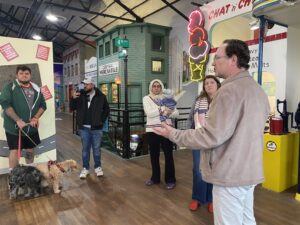
The City of Kingman, located in northwestern Arizona on the Colorado Plateau, is shaped by its historic resources, transportation legacy along Historic Route 66, and proximity to regional recreational assets, and is seeking planning strategies that preserve its historic significance while strengthening downtown economic activity. As the City examines connectivity, visibility, and traveler engagement within […]
Read More… from Developing a Vision for the I-11/I-40 Gateway
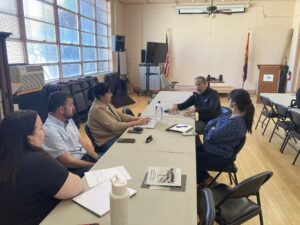
The Town of Miami is a historically significant community with a rich architectural and cultural legacy that reflects its mining heritage. As the community looks toward revitalization and long-term economic resilience, the Town is seeking to strengthen its historic preservation framework to better protect its assets, support local property owners, and enhance its appeal to […]
Read More… from Miami Historic Preservation Framework