Esta propuesta responde a la necesidad de disminuir el impacto ambiental de la industria de la construcción. El proyecto pretende promover una gestión adecuada de los residuos de actividades de la industria de la construcción, mediante el diseño y aplicación de metodologías y estrategias con criterios AbE, que mitiguen la vulnerabilidad de la comunidad de […]
Read More… from Ecosystem-based adaptation of the Tijuana River basin, focusing on recycling construction waste and glass
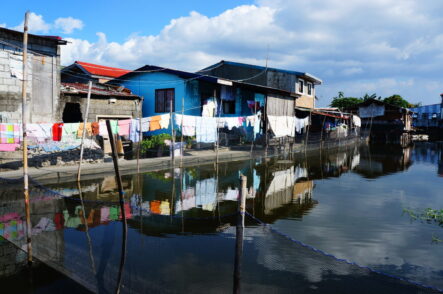
LIRLAP takes a dynamic perspective and assesses the impacts of future urban growth and densification scenarios in Metro Manila on, first, the future growth of informal settlements by means of urban growth models considering the urban morphology and socio-economic factor and, second, on the future availability of land suitable for receiving resettlement (WP 1). Moreover, […]
Read More… from LIRLAP: Linking disaster risk governance and land-use planning: the case of informal settlements in hazard prone areas in the Philippines, Thailand and Vietnam
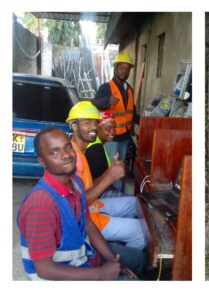
The Vision: The Badilisha Digital Resource Centers (DRC) project is a school-community affiliate initiative that transforms educational institutions into hubs for regional digital resilience. By leveraging professional-grade telecommunications infrastructure, we create a “Digital Commons” where university innovation directly fuels community economic growth. Partners & University Assets: Building on my foundation as an alumnus of Uganda […]
Read More… from Badilisha Digital Resource Centers: School-Community Affiliate Hubs for Resilience
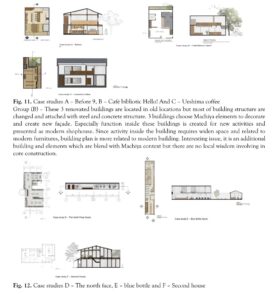
Adaptive reuse is a conceptual framework rooted in the intention to preserve existing buildings and urban spaces while adapting them to contemporary needs. It reflects a dual recognition of cultural-historical value and resource efficiency looking to keep the embedded narratives of a place while minimizing waste associated with demolition and reconstruction. This approach encompasses both […]
Read More… from A Study of Adaptive Reuse on Commercial Building Towards Heritage City on Case Study of Kyoto City, Japan
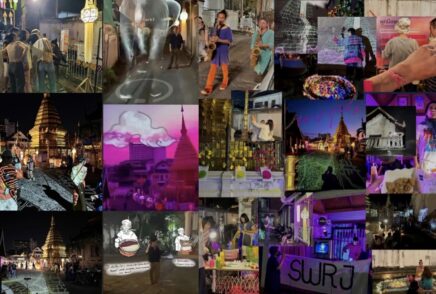
Chang Moi district is selected as creative district by Thailand creative and design center since 2019. This district has known for various of culture movements and presently has rising numbers of new business such as cafe, bars, restaurant etc. On the other day, creative district does not just focus on present business, but also has […]
Read More… from Midnight Rice – KON KAO YA KOO Chang Moi
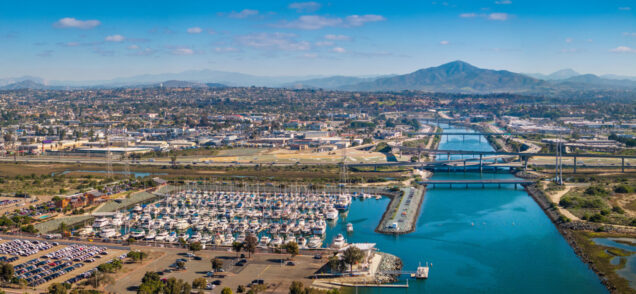
This report contains a series of policy proposals developed by San Diego State University (SDSU) students, in collaboration with National City officials and the SDSU Sage Project, to increase the use of existing earthquake preparedness resources among National City residents. The primary focus of student research was the California Earthquake Brace + Bolt program and […]
Read More… from The National City Earthquake Safety & Outreach Initiative
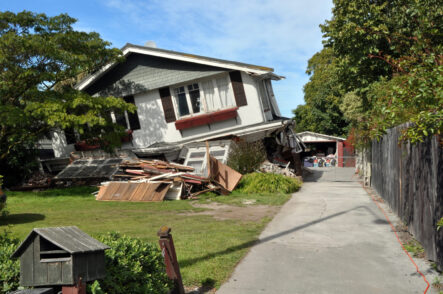
This report presents a comprehensive assessment of seismic vulnerability in National City, completed by students from San Diego State University’s Geography 584 (GIS Applications) course in collaboration with the Sage Project and the City of National City. Using Geographic Information Systems (GIS), the project combined a parcel-level inventory of residential buildings with geophysical and social […]
Read More… from Using GIS to Assess Seismic Vulnerability in National City
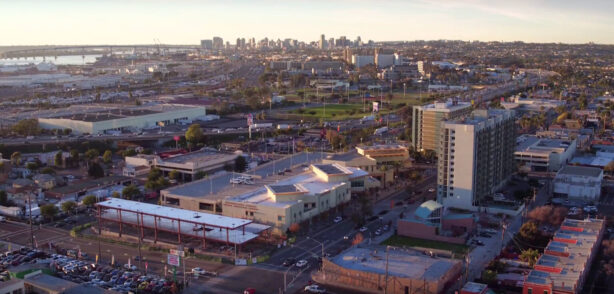
“This report, developed through a partnership between the City of National City and San Diego State University’s C P 690 graduate course, presents a comprehensive Hazard Mitigation Plan (HMP) addressing three primary natural threats: earthquakes, floods, and fires. In assessing these threats, the report identifies National City’s intersecting environmental, infrastructural, and social vulnerabilities, including aging […]
Read More… from The City of National City Hazards Preparedness and Mitigation Plan
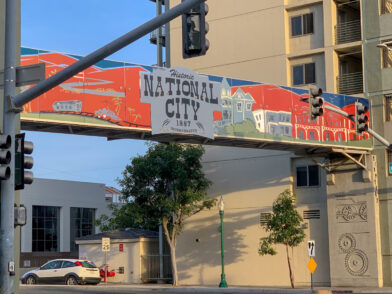
In Fall 2024, San Diego State University (SDSU) student researchers enrolled in Dr. Norah Shultz’s Sociology 407 course collaborated with National City and SDSU’s Sage Project to support ongoing efforts aimed at improving transportation access, safety, and sustainability in District 1. This collaboration was part of a larger initiative tied to the City’s Sustainable Mobility […]
Read More… from Sustainable Transportation in City of National City: A Community Perspective

This report presents the findings of an applied anthropology partnership between students in Anthropology 531: Methods in Applied Anthropology at San Diego State University and the City of National City, conducted through the SDSU Sage Project. The class sought to answer the question:“According to community members, what are the obstacles to sustainable mobility in National […]
Read More… from On the Ground: An Applied Anthropology Study of Community Perspectives on Equitable and Sustainable Mobility in National City