The Sulphur Springs Water Alliance is committed to advancing regional water awareness, conservation, and community engagement across southeastern Arizona through education, outreach, and collaborative partnerships. To support these efforts, a graphic design class will develop a suite of marketing and outreach materials that strengthen the Alliance’s public presence and communicate key messages related to water […]
Read More… from Sulphur Springs Water Alliance Design
Communities across Arizona are increasingly focused on long-term water sustainability and public awareness, creating opportunities to engage younger generations in conservation efforts through education, outreach, and community-based initiatives. This project will explore youth engagement strategies centered around water conservation, with an emphasis on empowering students and young residents to become active participants in promoting sustainable […]
Read More… from Youth Water Conservation Engagement Strategies
The Town of Miami is a historically significant community with a rich architectural and cultural legacy that reflects its mining heritage. As the community looks toward revitalization and long-term economic resilience, the Town is seeking to strengthen its historic preservation framework to better protect its assets, support local property owners, and enhance its appeal to […]
Read More… from Miami Historic Preservation Framework
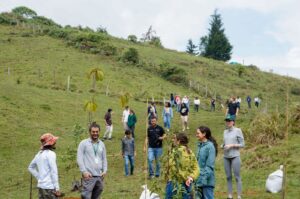
The municipality of La Estrella, Antioquia faces increasing pressure along its urban–rural edge, where urban expansion has created tensions with the main ecological structure, affecting food security and the hydrological balance. In particular, peri-urban areas face risks associated with landslides and flooding, which are intensified by urbanization processes and the transformation of strategic agroecosystems. SERES […]
Read More… from SERES: Sustainability and Ecology for the Restoration of Social Ecosystems
Esta propuesta responde a la necesidad de disminuir el impacto ambiental de la industria de la construcción. El proyecto pretende promover una gestión adecuada de los residuos de actividades de la industria de la construcción, mediante el diseño y aplicación de metodologías y estrategias con criterios AbE, que mitiguen la vulnerabilidad de la comunidad de […]
Read More… from Ecosystem-based adaptation of the Tijuana River basin, focusing on recycling construction waste and glass
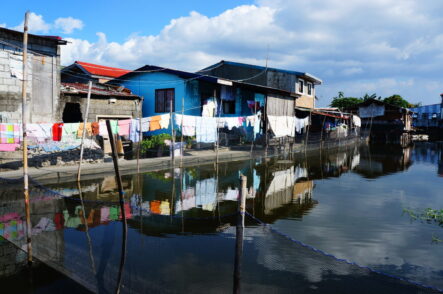
LIRLAP takes a dynamic perspective and assesses the impacts of future urban growth and densification scenarios in Metro Manila on, first, the future growth of informal settlements by means of urban growth models considering the urban morphology and socio-economic factor and, second, on the future availability of land suitable for receiving resettlement (WP 1). Moreover, […]
Read More… from LIRLAP: Linking disaster risk governance and land-use planning: the case of informal settlements in hazard prone areas in the Philippines, Thailand and Vietnam
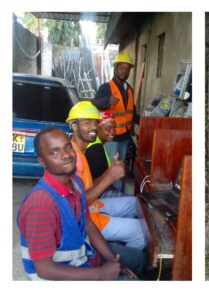
The Vision: The Badilisha Digital Resource Centers (DRC) project is a school-community affiliate initiative that transforms educational institutions into hubs for regional digital resilience. By leveraging professional-grade telecommunications infrastructure, we create a “Digital Commons” where university innovation directly fuels community economic growth. Partners & University Assets: Building on my foundation as an alumnus of Uganda […]
Read More… from Badilisha Digital Resource Centers: School-Community Affiliate Hubs for Resilience
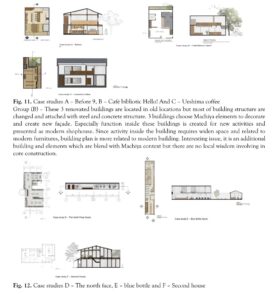
Adaptive reuse is a conceptual framework rooted in the intention to preserve existing buildings and urban spaces while adapting them to contemporary needs. It reflects a dual recognition of cultural-historical value and resource efficiency looking to keep the embedded narratives of a place while minimizing waste associated with demolition and reconstruction. This approach encompasses both […]
Read More… from A Study of Adaptive Reuse on Commercial Building Towards Heritage City on Case Study of Kyoto City, Japan
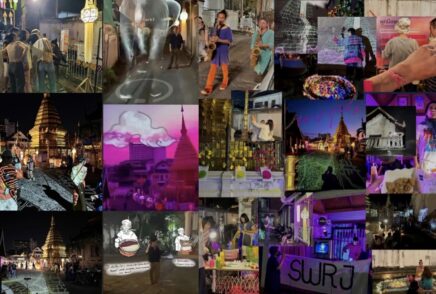
Chang Moi district is selected as creative district by Thailand creative and design center since 2019. This district has known for various of culture movements and presently has rising numbers of new business such as cafe, bars, restaurant etc. On the other day, creative district does not just focus on present business, but also has […]
Read More… from Midnight Rice – KON KAO YA KOO Chang Moi