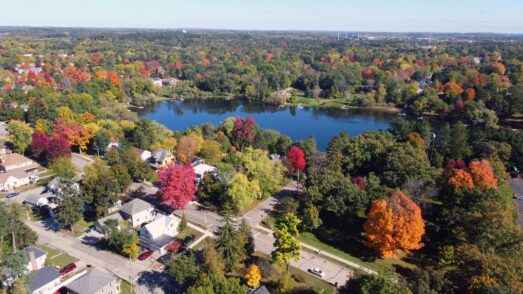
A group of interdisciplinary engineering students reviewed Waupaca’s current shoreland and wetland zoning ordinances, analyzed compliance and DNR and FEMA best practices, and identified possible areas of improvement. Their goal was to reduce the risk of flooding in Waupaca, protect water resources, and maintain program eligibility for sustainability status. […]
Read More… from Reviewing shoreland and wetland zoning to ensure compliance and promote best practices
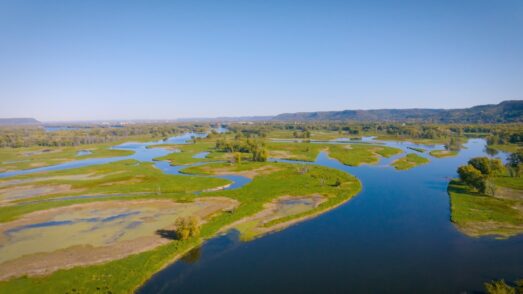
Vernon County aims to strengthen community sustainability and reduce flood risk through practical conservation education and outreach. This 2026 Sustainability and Conservation Education and Outreach Plan responds to this goal and is intended to narrow the gap between technical conservation priorities and community level understanding and action by using a more active, partnership-oriented approach to […]
Read More… from Developing a public engagement plan for sustainable land use and conservation best practices
Measuring runoff from agricultural fields can inform conservation practices that prevent erosion, harm to the environment, and economic fallout. Engineering students built a runoff monitor prototype using a water sensor that measures the height of the liquid in which it is immersed. […]
Read More… from Developing a field runoff gauge prototype
To support flood mitigation efforts in Vernon County, a group of engineering students built a stream height measuring device prototype that is affordable and easy to replicate on a large scale. This tool can measure the height of a water source, transit data from a sensor into a microprocessor, and then output the data into […]
Read More… from Developing a more cost-effective stream gauge prototype
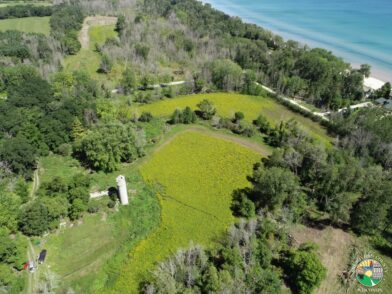
Over the course of two semesters, landscape architecture students created a 6.65-mile trail system design that emphasizes restoration, observation, education, and recreation and celebrates the ecological, geological, and cultural heritage that makes Amsterdam Dunes a regional attraction. The trail system includes a mix of easy, moderate, and difficult trails and incorporates features like an outdoor […]
Read More… from Designing public access trails for Amsterdam Dunes
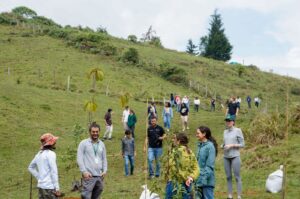
The municipality of La Estrella, Antioquia faces increasing pressure along its urban–rural edge, where urban expansion has created tensions with the main ecological structure, affecting food security and the hydrological balance. In particular, peri-urban areas face risks associated with landslides and flooding, which are intensified by urbanization processes and the transformation of strategic agroecosystems. SERES […]
Read More… from SERES: Sustainability and Ecology for the Restoration of Social Ecosystems
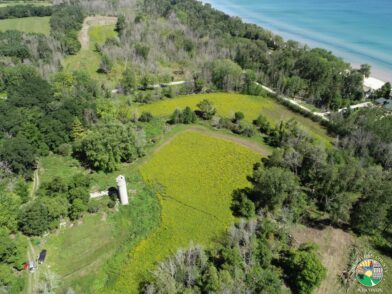
A landscape architecture student analyzed the Amsterdam Dunes property to identify suitable areas for boardwalk and trail connections that minimize disturbance to wetlands and sensitive habitats and enhance public access and scenic experiences at the site. […]
Read More… from Developing initial concept plans and identifying strategic design elements for Amsterdam Dunes public access trails
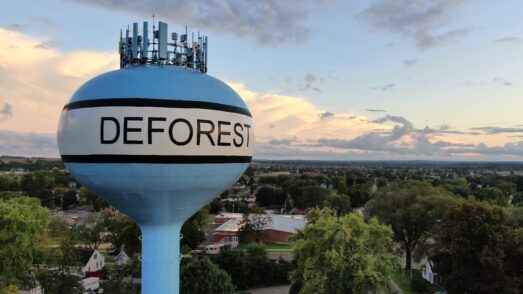
For nearly a decade, the Village of DeForest has been developing a plan to construct a mountain bike trail. Residents opposed an initial site proposed in 2016 because of potential environmental impact concerns on nearby wildlife. This conservation plan for a parcel of land acquired specifically for mountain bike trail development addresses stream quality, the […]
Read More… from Planning for an eco-friendly mountain bike park in DeForest
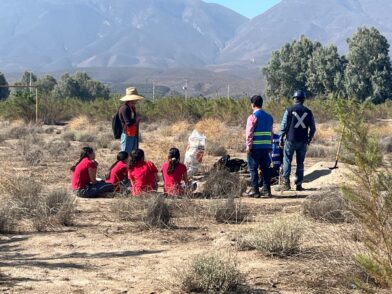
Teachers and students from FCITEC coordinated their courses around a project focused on community activity in Valle de las Palmas (municipality of Tecate, Baja California). This section of the project analyzes the legal, hydrological, resource management, and project administration aspects of construction waste management the Valle de las Palmas area, considering its impact on the […]
Read More… from Bioadaptation Project for the Ecosystems of the Valle de las Palmas River Basin – Tijuana (community intervention)
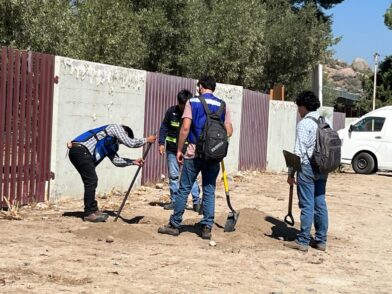
Teachers and students from FCITEC coordinated their courses around a project involving the community of Valle de las Palmas (municipality of Tecate, Baja California). The project seeks to evaluate the use of materials recovered from construction waste and glass in order to promote sustainable construction practices and mitigate the community’s vulnerability to soil, aquifer, and […]
Read More… from Bioadaptation of ecosystems in the Valle de las Palmas-Tijuana river basin. Recycling of construction waste and glass