
The San Diego Energy Equity Campus at Valencia Park San Diego is a place that will celebrate the culture and the vibrancy of its local community by uniting in an effort to provide clean, affordable energy, financial prosperity and a place to gather. In light of this mission, our team will be focusing on the […]
Read More… from Logos and Identity of the San Diego Energy Equity Campus
San Diego Urban Sustainability Coalition partnered with the students in Dr. Samantha Bova’s ENV S 302 Climate Change Solutions course on research projects related to sustainability and community support. Their goal was to gain student input on projects that, if implemented, could improve sustainability and the quality of life of residents in Southeast San Diego. […]
Read More… from Initiatives With the Potential to Help Residents Achieve a More Sustainable Way of Living and Increased Quality of Life
The San Diego Urban Sustainability Coalition has partnered with The Sage Project to develop programming for the first instance of infrastructure based soley on sustainability in Southeast San Diego, the San Diego Energy Equity Campus. The equity campus will be located in Valencia Park, an urban community in the southeastern portion of the City of […]
Read More… from Filling in Equity Gaps with San Diego’s First Energy Equity Campus: Caring for Communities of Concern
The San Diego Urban Sustainability Coalition has partnered with the Sage Project at San Diego State University to evaluate three grassroots, community-based organizations addressing food and nutrition inequity in the neighborhoods of Southeast San Diego. Each organization was interested in evaluating objectives relevant to their specific programming, though common themes regarding accessibility, community awareness, acceptability, […]
Read More… from Community-Led Organizations Combating Food Apartheid in Communities of Southeast San Diego
With the support of the San Diego State University (SDSU) Sage Project, the San Diego Urban Sustainability Coalition, and the previous research done by SDSU Sociology 407 students, Sociology 796 student researchers worked to analyze prominent concerns of the Southeast San Diego community. Based on these primary concerns, SOC 796 student researchers then worked to […]
Read More… from Addressing Food Deserts and Park Equity in Southeast San Diego
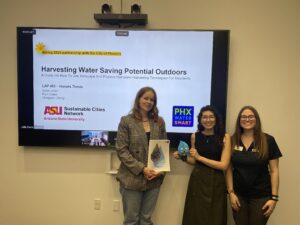
As a sprawling metro region, the City of Phoenix is a desert city with warm temperatures year-round. As an alternative to turf lawns, the City prioritizes the use of xeriscaping as a sustainable alternative to typical residential landscaping. In the interest of conserving water, the City promotes low water-use landscaping, or xeriscaping. After the successful […]
Read More… from Residential Xeriscape Irrigation Research & Plan Design
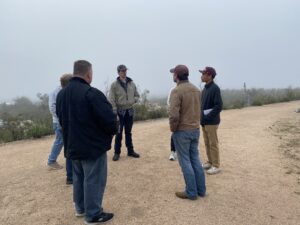
The Town of Kearny is facing unprecedented algae contamination in Kearny Lake Park, a key recreation area in the local community. Residents and visitors rely on Kearny Lake for walking, fishing, birding, boating, and more. However, due to aging infrastructure and land use change, Kearny Lake is experiencing rapid algal growth that is negatively impacting […]
Read More… from Kearny Lake Algae Revitalization
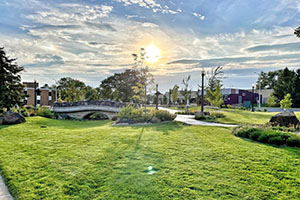
The issue of insufficient numbers of child care providers in Wood County, WI can be attributed to low profit-margins of providers and unsustainable staff wages; it is estimated by the Wisconsin Department of Children and Families that 36% of Wood County zip codes are in a child care desert. This has resulted in long waiting […]
Read More… from Increasing Child Care Access and Child Care Staff Retention in Wood County