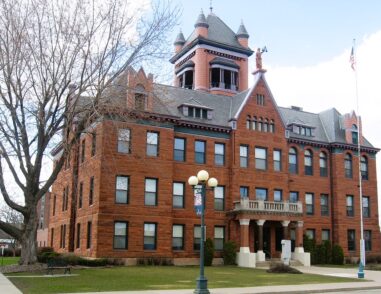
A group of interdisciplinary engineering students built on research conducted by public health graduate students to better understand barriers to implementing harm reduction initiatives in Monroe County. After surveying community policymakers and local law enforcement, they recommended comprehensive community education and awareness campaigns addressing mental health stigmas. […]
Read More… from Fostering understanding and support for evidence-based harm reduction strategies
Responding to community concerns around multiple cases of childhood leukemia in Monroe County, public health graduate students created a logic model to understand the problem and identify focus areas that are important to the community, including a general lack of environmental surveillance. The group recommends developing a system for risk assessment, using Wisconsin public data […]
Read More… from Assessing environmental health in Monroe County
Monroe County faces high rates of deaths related to opioid use. After studying the issue, a group of public health graduate students identified three interventions: mapping residential treatment centers throughout Wisconsin, adopting community-based strategies, and implementing school-based prevention programs. […]
Read More… from Expanding AODA treatment and intervention strategies in Monroe County
Monroe County’s 2023-26 Community Health Improvement Plan highlights a recent sharp increase in opioid-related overdoses. Public health graduate students proposed an evidence-based communication campaign to reduce stigma toward people who use drugs and support the implementation of proven harm reduction strategies that combine community assessment, relationship-building, and health care provider engagement. […]
Read More… from Promoting harm reduction responses for opioid use in Monroe County
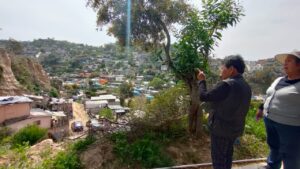
The Tijuana River watershed originates in Mexico and flows into the Tijuana River Estuary, a protected coastal wetland in California where freshwater and saltwater converge, supporting unique biodiversity. This ecosystem is threatened by vegetation loss, pollution, sedimentation, and high levels of fecal bacteria at the river mouth, affecting both biodiversity and resilience. Around 250 families […]
Read More… from Restauración de servicios ecosistémicos en la Subcuenca Los Laureles, Tijuana, México
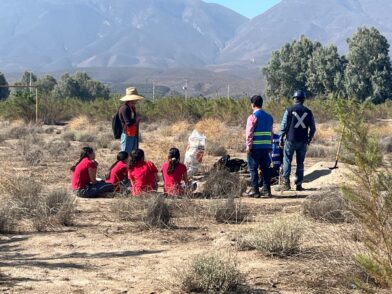
Teachers and students from FCITEC coordinated their courses around a project focused on community activity in Valle de las Palmas (municipality of Tecate, Baja California). This section of the project analyzes the legal, hydrological, resource management, and project administration aspects of construction waste management the Valle de las Palmas area, considering its impact on the […]
Read More… from Bioadaptation Project for the Ecosystems of the Valle de las Palmas River Basin – Tijuana (community intervention)
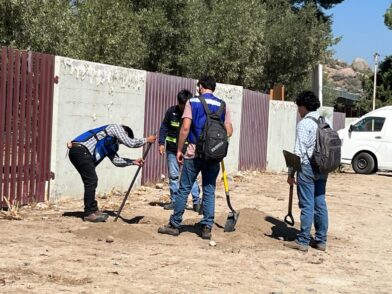
Teachers and students from FCITEC coordinated their courses around a project involving the community of Valle de las Palmas (municipality of Tecate, Baja California). The project seeks to evaluate the use of materials recovered from construction waste and glass in order to promote sustainable construction practices and mitigate the community’s vulnerability to soil, aquifer, and […]
Read More… from Bioadaptation of ecosystems in the Valle de las Palmas-Tijuana river basin. Recycling of construction waste and glass
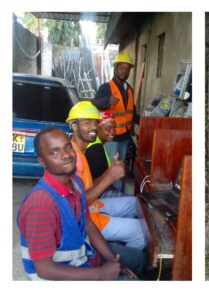
The Vision: The Badilisha Digital Resource Centers (DRC) project is a school-community affiliate initiative that transforms educational institutions into hubs for regional digital resilience. By leveraging professional-grade telecommunications infrastructure, we create a “Digital Commons” where university innovation directly fuels community economic growth. Partners & University Assets: Building on my foundation as an alumnus of Uganda […]
Read More… from Badilisha Digital Resource Centers: School-Community Affiliate Hubs for Resilience
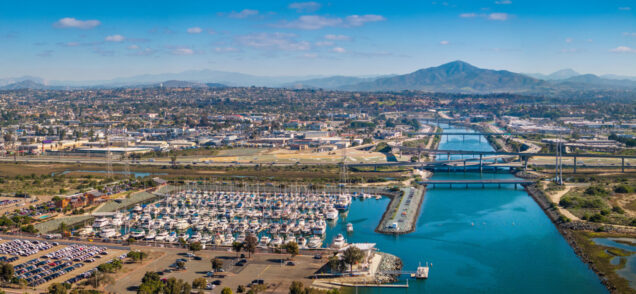
This report contains a series of policy proposals developed by San Diego State University (SDSU) students, in collaboration with National City officials and the SDSU Sage Project, to increase the use of existing earthquake preparedness resources among National City residents. The primary focus of student research was the California Earthquake Brace + Bolt program and […]
Read More… from The National City Earthquake Safety & Outreach Initiative

This report presents the findings of an applied anthropology partnership between students in Anthropology 531: Methods in Applied Anthropology at San Diego State University and the City of National City, conducted through the SDSU Sage Project. The class sought to answer the question:“According to community members, what are the obstacles to sustainable mobility in National […]
Read More… from On the Ground: An Applied Anthropology Study of Community Perspectives on Equitable and Sustainable Mobility in National City