Bridging Academia and Practice: Empowering Students through Work-Integrated Learning in Plant Biotechnology
Metrics
Community
eThekwini MunicipalityUniversity
University of KwaZulu-Natal (UKZN)Years
2024Status
CompletedCase Type
Partnership StoriesFocus Areas
Biotechnology, PlantsDiscipline
Life SciencesRegion
AfricaSustainable Development Goals
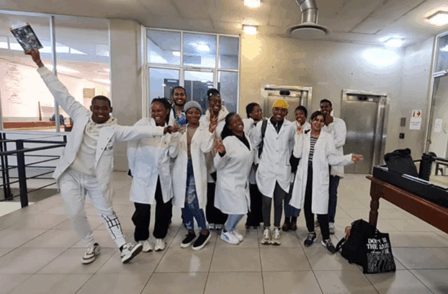
11 Sustainable Cities and Communities, 13 Climate ActionIn 2024, the University of KwaZulu-Natal (UKZN), in collaboration with eThekwini Municipality, launched an innovative Work-Integrated Learning (WIL) programme for Plant Biotechnology students. This initiative provided students with hands-on experience in tissue culture, acclimatization techniques, and real-world applications of plant biotechnology. The pilot programme, which made up part of the coursework for an Honours module, aimed to bridge the gap between classroom learning and industry demands. This initiative was the brainchild of Dr Shakira Shaik, an ardent academic and plant biotechnology expert in the School of Life Sciences at UKZN.
The Journey Begins
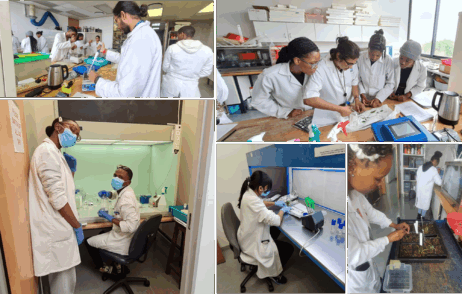
The programme began with an orientation by Mrs Viloshanie Reddy, Chief Tissue Culture Technician from the eThekwini Plant Tissue Culture Facility in Durban. Her engaging talk highlighted the facility’s work with endangered plants, conservation projects, and medicinal plant propagation. Students then delved into practical sessions where they prepared culture media, surface sterilised explants and then practiced explant inoculation, and acclimatisation. Plant materials were generously provided by the Municipality to enrich student understanding of plant propagation and conservation; this highlighted the synergetic relationship between academia and community-oriented initiatives.
From Lab to Nature
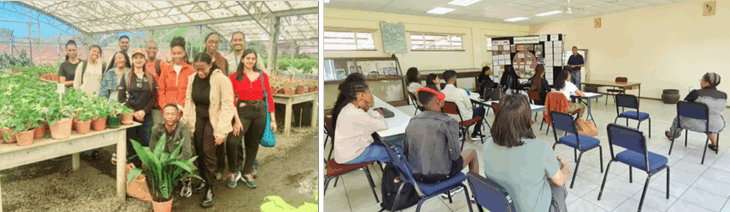
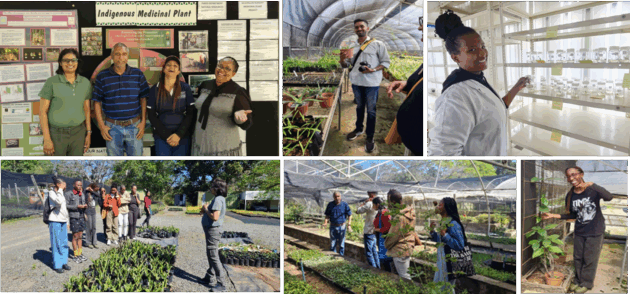
Field visits to the tunnel house at the eThekwini Plant Tissue Culture Facility and to the Medicinal Plant Nursery at the Silverglen Nature Reserve were additional highlights. Here, students saw the broader impact of their lab work. Guided by the reserve’s education officer, they explored how tissue-cultured plants contribute to conservation efforts, support traditional healers, and sustain local biodiversity. This holistic experience illuminated the crucial role biotechnology plays in addressing environmental challenges.
Reflecting on Growth
Students documented their learning journey in mini-portfolios, including reflective journals. Many described transformative moments, from mastering tissue culture techniques to witnessing the practical applications of their efforts. One student shared, “The field trip altered my career path, aligning my goals with environmental management through biotechnology.” And another said, “The WIL sessions were a huge success in my opinion, and I walk away from this with more eagerness to study tissue culture and find out more ways for people to directly benefit from the future work I will do”.
The Ripple Effect
This WIL program demonstrated the power of experiential learning. By integrating theoretical knowledge with practical skills, it not only enhanced students’ confidence but also prepared them for careers in biotechnology. The initiative aligns with EPIC Africa’s mission to create impactful community-academic partnerships, addressing challenges through collaborative learning. As we plan future iterations, incorporating valuable student feedback—like extending session durations and offering more fieldwork opportunities—will further enhance the programme’s effectiveness. With continued support from the eThekwini Municipality, this initiative is set to inspire the next generation of plant biotechnologists.