
When Covid-19 hit Africa, the levels of fear about the risks that communities faced were high. Additionally, the provision of basic services to communities by the local authorities within their mandate, particularly in Lusaka was hampered partly due to increased operational costs and the quick spread of the disease. This, coupled with the poor access […]
Read More… from Building Preparedness and Resilience to Covid-19 Through the EPIC Model in Lusaka
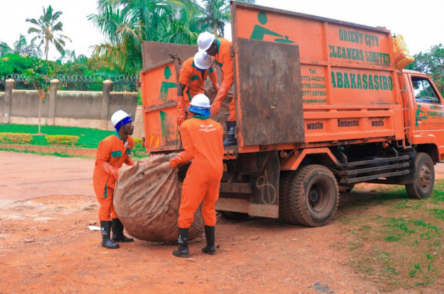
Mbale is a lively city in the Eastern Region of Uganda known for its stimulating hiking trails and bountiful crops, making it an optimal location for both tourists and residents. However, Mbale is facing an urgent waste management crisis that aims to threaten the daily operations of the city. While Mbale has a waste dumping […]
Read More… from Waste management for slum settlements in Mbale City: A search for sustainable solutions
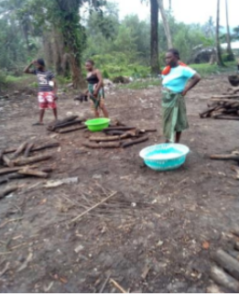
Grand Cape Mount County in Western Liberia is home to Lake Piso. This large lake accommodates a sizable mangrove forest that is essential to the lake’s ecosystem and village areas as it provide protection against erosion and absorbs harmful storm surges. One of the biggest advantages of the mangrove forest is its ability to sequester […]
Read More… from Building local climate resilience through mangrove restoration in Western Liberia
Many African cities are currently struggling to deal with issues such as resource scarcity, waste management, and environmental sustainability, and eThekwini Municipality, more commonly known as Durban, in South Africa is no different. The population of Durban in the province of KwaZulu-Natal is growing rapidly. Unfortunately, the city is not built for this large population […]
Read More… from Creating Environmentally Sustainable Solutions to Waste Management, Natural Disasters, and Invasive Species Outbreaks Through EPIC Partnerships in Durban
The city of Harare, Zimbabwe has experienced a steady deterioration of environmental conditions. The city’s water has become contaminated with organic pollutants leading to higher nitrate and phosphate levels causing fish deaths. The situation seems to be made worse by water treatment challenges despite large efforts to upgrade the Morton Jeoffre water treatment plant. A […]
Read More… from Harare Plans to Address Deteriorating Environmental Conditions Through Phytoremediation, Awareness Campaigns, and Sustainable Municipality Growth
Climate change has been impacting citizens all over the globe. However, coastal cities of developing countries are often the most affected due to the cities intensified demand for the production and consumption of goods, transport, and settlement. Because of this large demand, cities like Mombasa have struggled to keep up with rapid population growth resulting […]
Read More… from Awareness and Education of Climate Change Effects through Visual Arts in Mombasa
Like many other African cities, Lusaka is facing rapid urbanization and various challenges related to inequality, climate change, economic opportunity, and service delivery. The city is faced with limited technical capacity to deliver essential services to all 3.3 million people and with a growth rate of about 5% annually, Lusaka’s Local Authority is unable to […]
Read More… from Lusaka’s Expanding EPIC Partnerships Look to Solve Capacity Issues
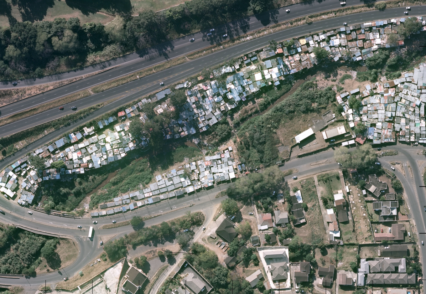
In early April of 2022, eThekwini Metropolitan Municipality (Durban)[1] was devastated by torrential rains and flooding. In some areas, over 250 mm of rain was recorded overnight; an amount that displaced thousands of people, including residents in the City’s 600 informal settlements, damaging over 19,000 dwellings and leading to the loss of 436 lives. To […]
Read More… from EPIC Durban Support for the April 2022 Floods
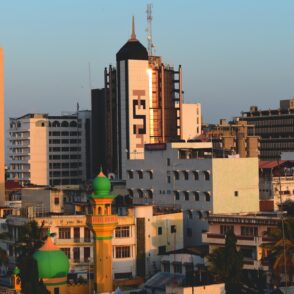
EPIC-Africa formed a new partnership with the city of Mombasa following a series of trainings in Durban during early 2020. Originally planning to implement a mangrove restoration project, the city quickly adapted to the new challenges of the global pandemic and transformed their proposed initiative to address COVID-19 transmission instead. The county government called upon […]
Read More… from EPIC-Africa Provides a Model for Addressing COVID-19 and Solid Waste Management in Mombasa
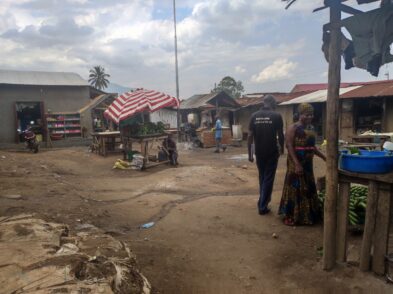
EPIC-Africa’s growing program partnership with Uganda, co-funded by UN-Habitat and Mbale City, is an exemplary model of the power of collaboration between communities, local governments, and universities that EPIC-N strives to consistently represent. Starting in 1997 when the University of Makerere recognized the pressing need to address development challenges faced by slum dwellers in Mbale […]
Read More… from Collaboration for Change: Empowering Communities through EPIC-Africa Partnership in Uganda