University of Buenos Aires
Metrics
Community
Campo La Cruz Mapuche CommunityUniversity
University of Buenos AiresProgram
Sustainable management of natural environments by a Mapuche community in the city of Junín, Buenos Aires: environmental impacts and risks associated with climate change.Years
2025-PresentStatus
Active Member ProgramCase Type
Program StoriesSchool Size
Greater than 40,000Focus Areas
Climate Change Adaptation, Ecosystem Based Adaptation, GrasslandsDiscipline
Geography, Humanities, PhilosophyRegion
Global, LACSustainable Development Goals
11 Sustainable Cities and Communities, 12 Responsible Consumption and Production, 13 Climate ActionSustainable management of natural environments by a Mapuche community in the city of Junín, Buenos Aires:
environmental impacts and risks associated with climate change.
Instagram | @checiencia
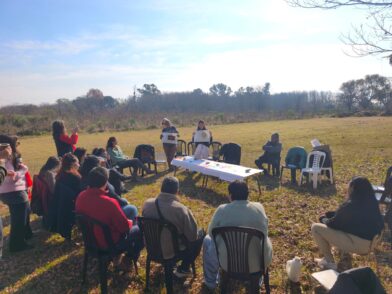
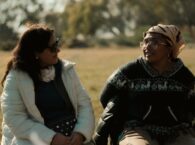
Our project aims to support the Campo La Cruz Mapuche Community—located on the outskirts of Junín
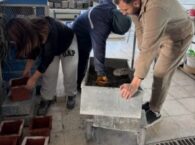
(Buenos Aires, Argentina)—in the collaborative development of ecosystem-based climate change adaptation strategies. We seek to balance respect for their traditional production methods and cultural heritage with the urgent need to address the environmental impacts caused by artisanal brickmaking. Through a transdisciplinary approach involving researchers from the University of Buenos Aires, faculty from the National University of the Northwest of Buenos Aires Province, and members of the community itself, we aim to assess climate risks within the urban and peri-urban ecosystem, restore the Pampas grasslands ecosystem degraded by soil extraction, and foster a transition toward eco-friendly production alternatives that reduce social and environmental vulnerability without undermining the community’s cultural identity. In doing so, we aspire to strengthen the climate resilience of both the community and the city of Junín while promoting environmental justice, livelihood security, and the preservation of cultural heritage passed down through generations.
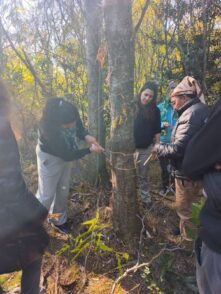
We proposed this project in response to the call for proposals “Catalyzing non-traditional partnerships in the Global South for urban ecosystem-based adaptation,” which focuses on mitigating the three main barriers hindering the adoption and scaling up of Ecosystem-based Adaptation (EbA). These three identified barriers are: finance (funding opportunities), governance (collaboration mechanisms), and knowledge gaps. Our project—funded by the Global EbA Fund (a mechanism co-managed by the IUCN and its partners)—seeks to support initiatives that help overcome these barriers to scaling up EbA by fostering innovative partnerships and participatory, transdisciplinary approaches. Having completed the diagnostic phase—which involved assessing climate risks (floods, droughts, heatwaves, biodiversity loss) in the urban and peri-urban ecosystem of Junín, mapping areas exposed to hydro-climatic hazards, analyzing the environmental impacts of the community’s traditional brick-making activities, and conducting social perception surveys with the Campo La Cruz Mapuche Community—we are now focusing on the co-design and sustainable production stage. This stage includes advancing land-use planning for Campo La Cruz through the regularization of the community’s land tenure with the support of the Junín municipality, as well as developing a process to enhance cultural and environmental value, ultimately leading to an initiative to integrate the Ñuque Mapu Community of Campo La Cruz into the local tourism circuit.
Fun Facts About the Program
A truly transdisciplinary team: integrating anthropology, climatology, biology, and geography, alongside a lawyer who is also a member of the Campo La Cruz Mapuche Community itself—ensuring the community’s voice is present from the project’s very design, rather than merely as a “beneficiary.”
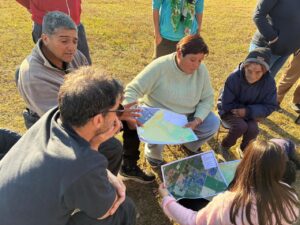
Over 15 years of prior fieldwork: researchers who have been working with the community since 2008 and 2013, respectively, providing a foundation of trust and accumulated knowledge rarely found in projects of this type.
Links to local public policy: enabling the development of long-term, environmentally and economically sustainable productive projects.
Academic outreach: through an undergraduate seminar to be taught at the Faculty of Philosophy and Letters (UBA) during the first semester of 2026, bringing the project’s lessons into the university classroom.
Institutional collaboration: bringing together CONICET, the University of Buenos Aires (UBA), and local educational institutions—such as the *Instituto Superior del Profesorado*—to build bridges between the national scientific system and a university deeply rooted in the local territory.
Year Program Established | 2025
Country | Argentina
Public or Private Institution | Public
Number of students at institution | 328,000
Highlight Articles/Videos
Checiencia y la comunidad mapuche Ñuque Mapu impulsan proyecto integral sobre el cambio climático
City Partners
2025-Present | Campo La Cruz Mapuche Community
Contact Info
Constanza Riera
Dra. En Antropología, Conicet/IGEO-FFyL-UBA
consriera@yahoo.com.ar
Mariano J. Kohn
Lic. En Antropología, IGEO-FFyL-UBA
marianojuan.or.kohn@gmail.com
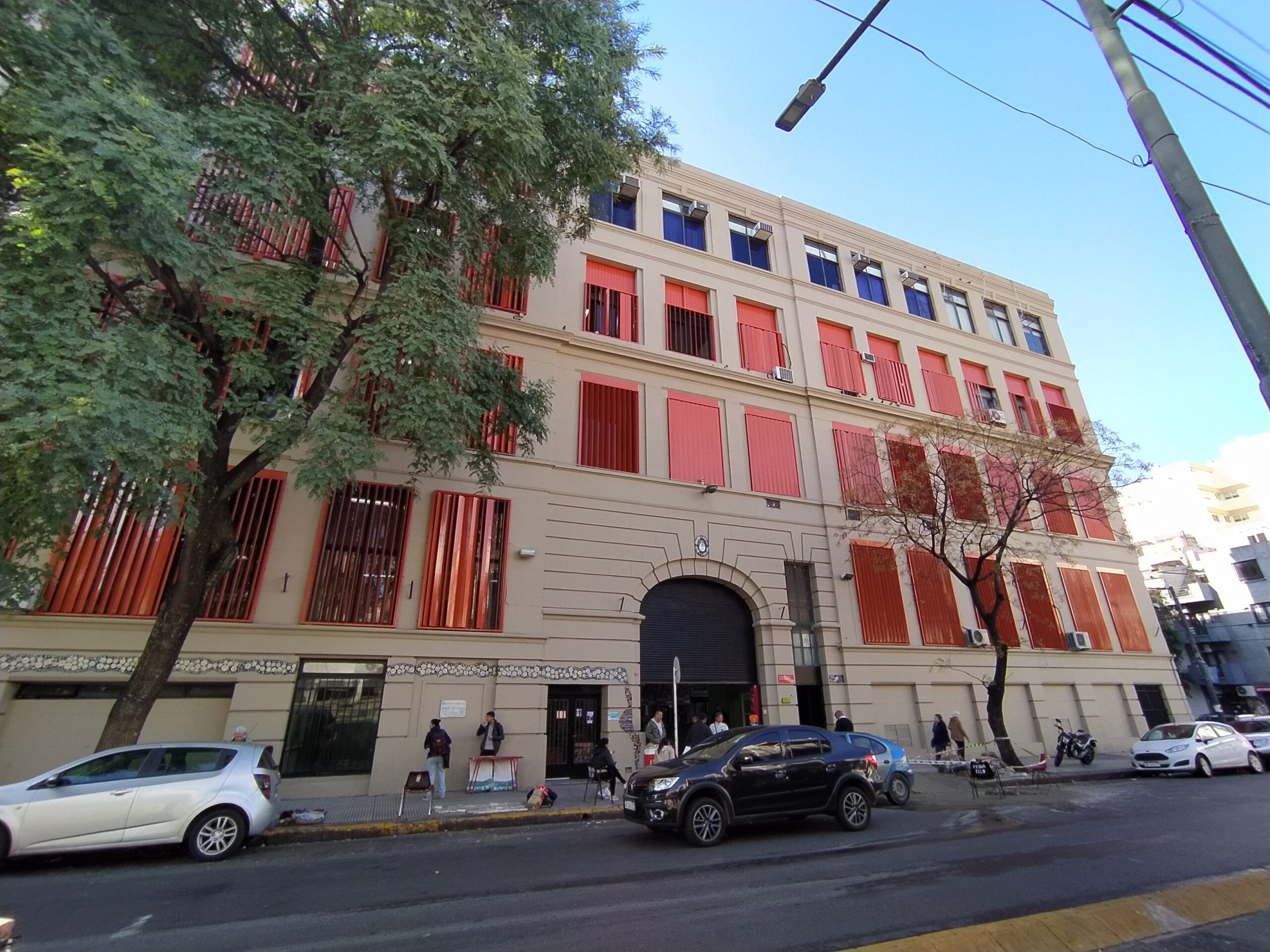
Instituto de Geografía “Romualdo Ardissone”, Facultad de Filosofía y Letras, Universidad de Buenos Aires
iigeo@filo.uba.ar
Puan 480, 4to piso, Ciudad Autónoma de Buenos Aires. CP 1406.