The project titled “Enhancing Climate Change Awareness and Preparedness in the Agriculture Sector of the City of Calamba, Laguna” is a collaborative initiative between the University of the Philippines Los Baños (UPLB) and the City Government of Calamba. It seeks to respond to the growing vulnerability of local farmers to the impacts of climate change, such as erratic weather patterns, flooding, and prolonged droughts that affect agricultural productivity and food security. Farmers in Calamba, who produce key commodities like rice, corn, and vegetables, have limited access to timely information on climate risks and adaptive technologies. The project was designed to bridge this gap through a two-pronged approach: first, by developing and implementing an Information and Education Campaign (IEC) on Climate Change in Agriculture; and second, by integrating climate change considerations into the City’s Food Security Plan. This project aligns directly with SDG 1 (No Poverty) by aiming to protect the livelihoods of farmers, SDG 2 (Zero Hunger) by contributing to a more resilient food system, and SDG 13 (Climate Action) by promoting adaptive strategies at both the community and policy levels.
The project draws on the academic strengths of UPLB. Graduate students from the College of Development Communication (CDC), enrolled in DEVC 208 (Communication Approaches in Development Programs) under the guidance of Dr. Elaine Llarena, was responsible for the design and development of IEC materials tailored to the communication preferences and information needs of local farmers. Simultaneously, students from the College of Public Affairs and Development (CPAf), enrolled in DM 224 (Development Management) under Dr. Miriam Caryl Carada, reviewed and assessed the city’s Food Security Plan to identify opportunities for climate change integration. These academic collaborations demonstrate how higher education institutions can be active partners in local development, applying research-based knowledge and communication strategies to real-world challenges.
Several city government offices were involved in the partnership, including the City Agricultural Services Department (CASD) as the lead implementing agency. Other key partners included the City Environment and Natural Resources Office (CENRO), the City Information, Investment Promotions, and Employment Services Office (IIPESO), the City Disaster Risk Reduction and Management Office (CDRRMO), and the Philippine Crop Insurance Corporation (PCIC). Farmer leaders from different commodity groups also played a crucial role by providing on-the-ground perspectives through focus group discussions and interviews.
During the initial implementation phase, students conducted a situation analysis, audience research, and program assessment to understand both the communication needs and policy context surrounding climate change and agriculture in Calamba. Based on these findings, they developed a suite of IEC materials including radio plug scripts, short video reels, infographics, PowerPoint presentations, and customized hand-held fans that communicate key messages on climate resilience and crop insurance. These materials are now being used by CASD during trainings, seminars, and farmers’ meetings. At the same time, the DM 224 class submitted an analysis and set of recommendations to help the city enhance its Food Security Plan with a stronger focus on climate risk management. These academic outputs were shared with CASD and other local agencies to serve as references for future policy revisions.
This project, still in its early implementation stages, illustrates the power of community-engaged scholarship in addressing urgent local development issues. By strategically aligning university assets with local government priorities, it advances key global goals while equipping vulnerable communities with the tools and knowledge they need to become more resilient to climate change. It stands as a replicable model for integrating sustainable development principles into local governance, capacity building, and education.
Site Search:
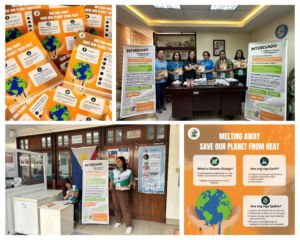
Enhancing Climate Change Awareness and Preparedness in the Agriculture Sector of the City of Calamba Laguna
Dr. Maria Ana T. Quimbo
Metrics
- University University of the Philippines Los Baños
- Sustainable Development Goals 01 No Poverty, 02 Zero Hunger, 13 Climate Action
- Population Type Low Income
- University Department Public Affairs
- Lead Local Gov / Community Partner Org Name City of Calamba