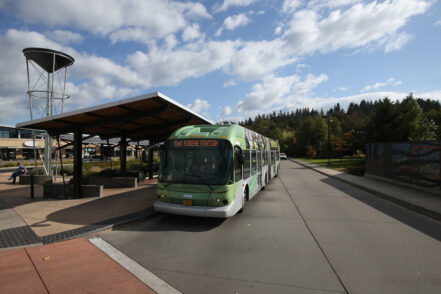
To improve the connection between active and public transportation in Lane County, the Bicycle Transportation class partnered with Lane Transit District (LTD) and Cascadia Mobility to produce comprehensive street redesigns, GIS mapping and implementation recommendations, and community outreach findings. Through the lens of street design, geographic mapping, policymaking, and community engagement, students provided a basis […]
Read More… from Connecting Communities: Recommendations for Micromobility and Transit Integration
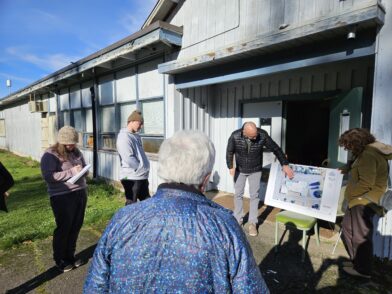
In Fall 2024, the City of Oakridge partnered with the University of Oregon’s Sustainable City Year Program (SCYP) and the Institute for Policy Research and Engagement (IPRE) to reimagine the future of the Willamette Activity Center (WAC). This collaborative initiative emerged in response to the WAC’s closure in 2022 due to deferred maintenance issues, including […]
Read More… from Willamette Activity Center: Operational and Expense Framework
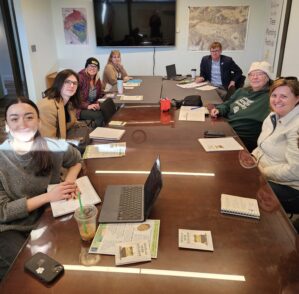
The purpose of this report is to provide the Oakridge Municipal Court staff with the necessary information to administer the Oakridge Municipal Court Community Service Program and maintain it over time. This report includes steps, guidelines, and forms that the Court staff could use to administer the program in partnership with agencies and work with […]
Read More… from Oakridge Municipal Court Program Policy Report

The Green Cities course examines the history and future of the interface between urban growth and environmental concerns, and the technological, social, and political forces that continue to shape it. Students in the 2021 Summer Quarter “Green Cities” course organized, conducted, and analyzed citizen interviews with the use of the questionnaire designed to help understand […]
Read More… from City of Talent Citizen Involvement Survey

This report discusses the Asset-based Community Development project conducted between March 1st and May 30th, 2022 in Hermiston, Oregon. The purpose of the three- phase project is to better understand the city’s assets as well as gaps in public service provision. Through an environmental scan, a survey, and a focus group, five investigators from Eastern […]
Read More… from Creating Shared Knowledge: An Asset-based Community Development Project in Hermiston
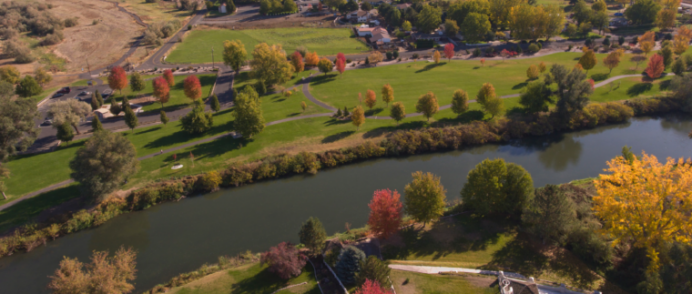
This report evaluates alternatives to fund a new area Health, Wellness, and Aquatic Center located in the city of Hermiston. Funding options that students evaluated included: • Create a special park and recreation district • Create anintergovernmental entity • Place construction and management of facility under the Hermiston Parks and Recreation Department To evaluate these […]
Read More… from Financing an Aquatic Center: Health and Wellness in Hermiston
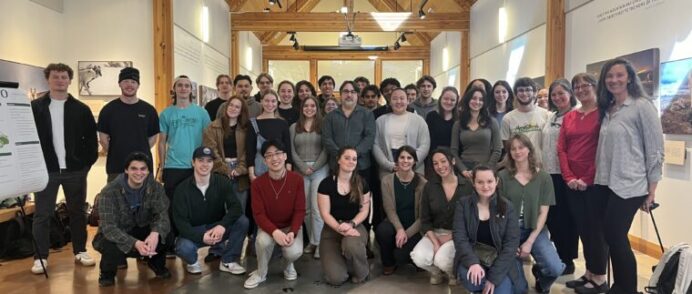
The City of Salem sought recommendations on how to increase Electric Vehicle (EV) charging infrastructure and access. Recognizing the importance of a well-rounded and evidence-based approach, the student teams employed a variety of methodologies, including Geographic Information Systems (GIS) analysis, literature reviews, case studies, and interviews with key stakeholders. Based on this research, the students […]
Read More… from Recommendations for Increased Electric Vehicle Access and Adoption in Salem, Oregon

The City of Salem implemented a City Operations Fee in 2019 to supplement revenue for its General Fund. The City was concerned, however, that the current fee structure does not adequately account for equity across commercial and residential classes. As one part of its effort to improve the equity of the fee’s administration, the City […]
Read More… from City of Salem’s Commercial and Residential Operations Fee: Recommendations to Augment Fee Equity
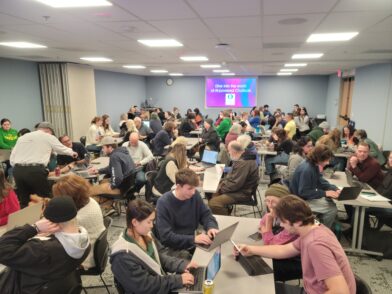
In an era defined by rapid urbanization, the effective planning and management of cities have become paramount to ensure sustainable development, efficient resource allocation, and enhanced quality of life for residents. Traditional methods of urban planning and management are grappling with the complexities and challenges presented by modern cities. Enter Artificial Intelligence (AI), a disruptive […]
Read More… from Green Cities Artificial Intelligence
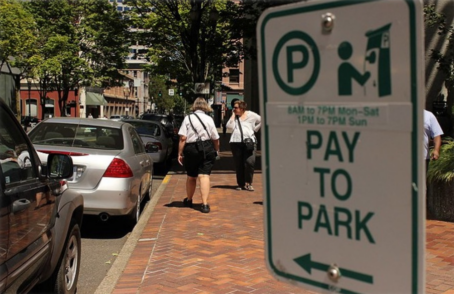
In November 2022, the Oregon Department of Land Conservation and Development issued parking reform for cities with populations above 5,000 to address the financial and environmental burdens of parking mandates. In addition to reforms that all included cities must make, the cities with populations over 100,000 must choose between eliminating parking mandates or adopting pricing […]
Read More… from Let’s Start Counting! A Methodology to County On-Street Parking Spaces in Oregon Cities