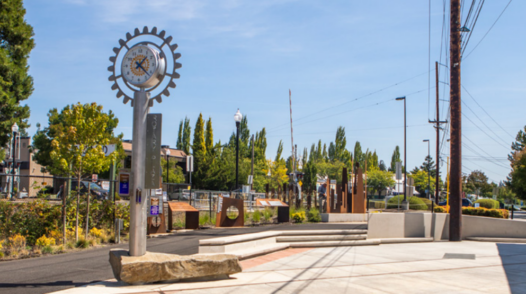
The information presented in this report was collected through interviews with significant stakeholders from the City of Tigard, Portland General Electric (PGE), real estate developers, business owners, and specialists from the Energy Trust of Oregon (ETO). The University of Oregon, in partnership with the City of Tigard, has synthesized this information to build a feasibility […]
Read More… from Tigard Microgrid Feasibility Study
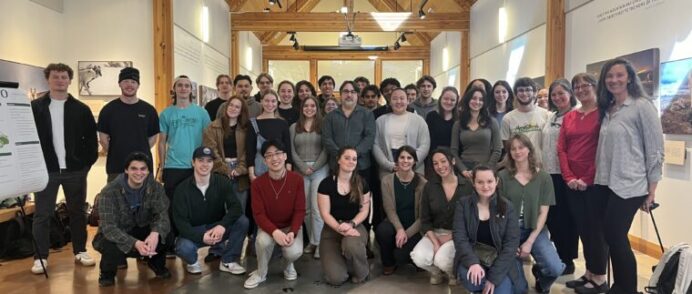
The City of Salem sought recommendations on how to increase Electric Vehicle (EV) charging infrastructure and access. Recognizing the importance of a well-rounded and evidence-based approach, the student teams employed a variety of methodologies, including Geographic Information Systems (GIS) analysis, literature reviews, case studies, and interviews with key stakeholders. Based on this research, the students […]
Read More… from Recommendations for Increased Electric Vehicle Access and Adoption in Salem, Oregon
In response to the City of Salem’s goal of identifying park service area delineation methods that would facilitate a more equitable and accessible park system for residents, Spatial Justice Seminar students analyzed equity and delineated potential park service areas in Salem. Throughout the term, students explored what spatial equity meant, reviewed precedent studies, completed observational-based […]
Read More… from Salem Parks Equity & Service Area Report

Students were tasked with the opportunity to design a campaign to educate Salem residents on heat pumps and their benefits to support the city’s sustainability initiatives. The overarching goal of the campaign was to increase awareness of heat pumps and an understanding of their benefits in Salem. To achieve this goal, students developed a strategy […]
Read More… from Pump Up Salem
The City of Salem, Oregon, has shown dedication to achieving sustainability goals and revitalizing its neighborhoods by conducting walkability and comprehensive corridors assessments. As part of the Sustainable City Year Program, students from the Geography Department at the University of Oregon participated in an Advanced Geographic Information Systems (GIS) class in collaboration with Salem to […]
Read More… from Navigating Urban Networks: A GIS Exploration of Walkability in Salem, Oregon
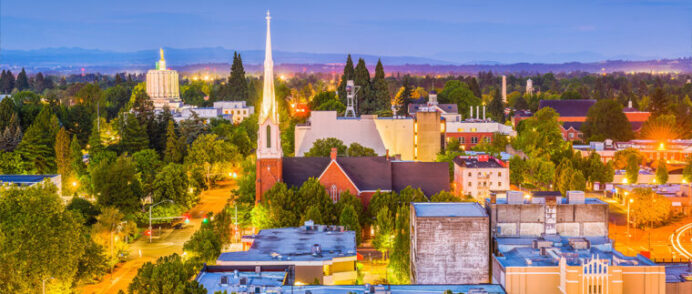
The City of Salem implemented a City Operations Fee in 2019 to supplement revenue for its General Fund. The City was concerned, however, that the current fee structure does not adequately account for equity across commercial and residential classes. As one part of its effort to improve the equity of the fee’s administration, the City […]
Read More… from City of Salem’s Commercial and Residential Operations Fee: Recommendations to Augment Fee Equity
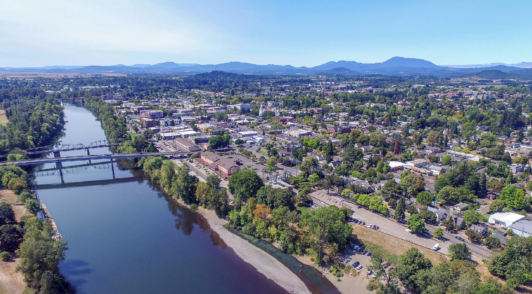
Over fall term 2023, Community and Regional Planning graduate students worked with the City of Corvallis to reimagine how a 14-acre site in north central Corvallis, along the city’s 9th Street commercial/mixed use corridor, might redevelop and intensify under the city’s recently adopted commercial mixed use (CMU) zoning standards. Three student groups analyzed the opportunities, […]
Read More… from Corvallis 9th Street Urban Redesign
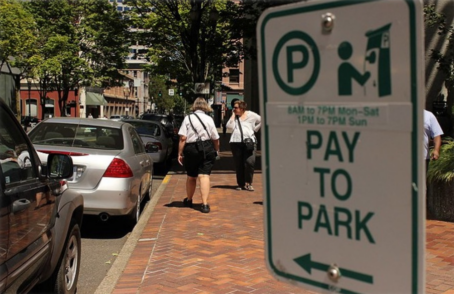
In November 2022, the Oregon Department of Land Conservation and Development issued parking reform for cities with populations above 5,000 to address the financial and environmental burdens of parking mandates. In addition to reforms that all included cities must make, the cities with populations over 100,000 must choose between eliminating parking mandates or adopting pricing […]
Read More… from Let’s Start Counting! A Methodology to County On-Street Parking Spaces in Oregon Cities

Like many states across the United States, Oregon has a history of using transportation, land use, and housing tools inequitably, which has directed and concentrated benefits to the privileged and harms to underserved communities. Oregon’s past included restrictions on who could own land, redlining and exclusionary zoning, prohibiting more affordable types of housing, and unjust […]
Read More… from Equity-Centered Research Methods for Oregon Communities
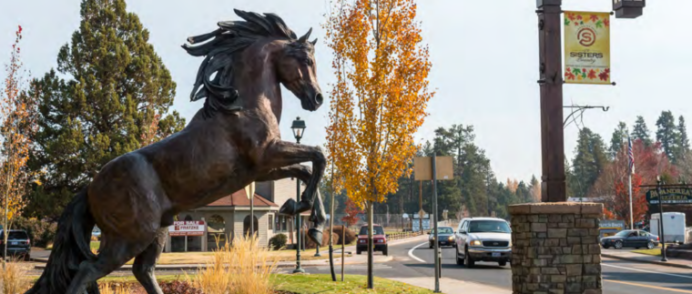
Over fall term 2022, Community and Regional Planning graduate students worked with the City of Sisters to design a research based redevelopment proposal for the Sisters Elementary School and Sisters School District administration building site. Students analyzed potential opportunities and challenges of revitalizing these two adjoining properties through three different lenses: 1) age friendly neighborhoods; […]
Read More… from A New Future for the Sisters Elementary School Site