The purpose of this project is to use data to conduct a policy alternative analysis and make recommendations for the City of Lynnwood’s Parks, Arts, Recreation, and Conservation (PARC) Plan. The consultants will offer an analysis of level-of-service (LOS) policy alternatives and recommendations for the City’s update to the PARC Plan by conducting data analysis, […]
Sustainable Development Goal: 03 Good Health and Well-Being
Lynnwood Park and Trail Usage Analysis
Lynnwood partnered with the University of Washington Livable City Year program to provide research, analysis, and recommendations regarding level of service methodologies for the City to consider when updating its Parks, Arts, Recreation and Conservation comprehensive plan. Lynnwood has an adopted park level of service that uses acres of parkland per 1,000 residents. Lynnwood reduced […]
Development of Alternatives for Sultan Parks and Trails
Students built upon the work from Autumn quarter in inventory and assessment as well as community engagement and public participation (see project “Sultan Parks and Trails Initial Inventory and Assessment”). Associated with the engagement process, the students worked on alternative development and starting early exploration of draft plan development. In the Winter quarter, graduate students […]
Read More… from Development of Alternatives for Sultan Parks and Trails
Sultan Parks and Trails Initial Inventory and Assessment
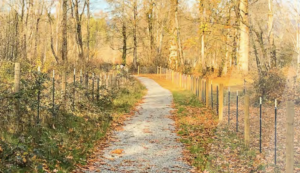
The project focused on creating an inventory of all current park and trail locations and associated resources, including equipment. Students mapped the city’s trails and created a series of maps and/or infographics to depict trail locations and assessments of trail conditions. Students worked with available GIS data and set up the data for use by […]
Read More… from Sultan Parks and Trails Initial Inventory and Assessment
Passive Rainwater Harvesting Research
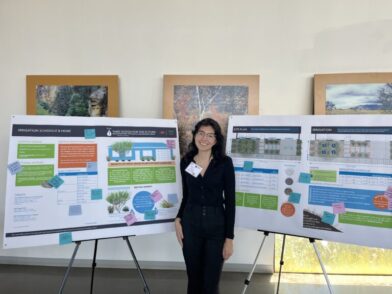
As a sprawling metro region, the City of Phoenix is a desert city with warm temperatures year-round. As an alternative to turf lawns, the City prioritizes the use of xeriscaping as a sustainable alternative to typical residential landscaping. In the interest of conserving water, the City promotes low water-use landscaping, or xeriscaping. After the successful […]
Roadmap for Regional Collaboration
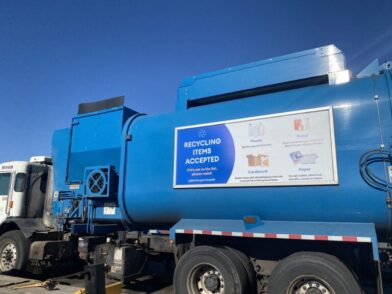
A municipal Public Works Department is critical to providing essential community services, ensuring a high quality of life for its residents. As communities in the Phoenix Metro are experiencing exponential growth, especially the Town of Gilbert, there are opportunities for regional collaboration for solid waste and recycling services. As the recycling economy is expected to […]
Contamination Communication Strategies
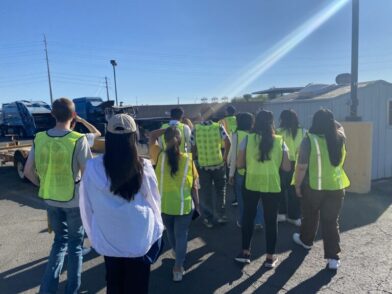
The Town of Gilbert is a fast-growing community in the East Valley of the Phoenix Metro Area with a population of over 270,000 residents who are eager to have a positive impact on their community. The Public Works Department Solid Waste & Recycling and Environmental Compliance Divisions are interested in exploring new, innovative communication strategies […]
Opportunities for Regional Collaboration
The Town of Gilbert is a municipality in the East Valley within the Phoenix Metropolitan Area. With incredible population growth over the past decade, the Town is committed to maintaining high quality services and amenities while continuing to plan for growth and development. As the Public Works Department is key to providing services to Town […]
Invasive Species Communication Campaigns
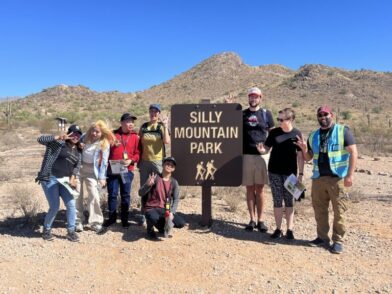
Apache Junction is a thriving community east of the Phoenix Metropolitan Area. With a rich history and variety of natural attractions, the community serves as the gateway to the Superstition Wilderness. The community attracts residents and visitors alike to enjoy close proximity to parks, hiking trails, and camping areas, providing ample outdoor recreation and tourism […]
Park Equity Analysis
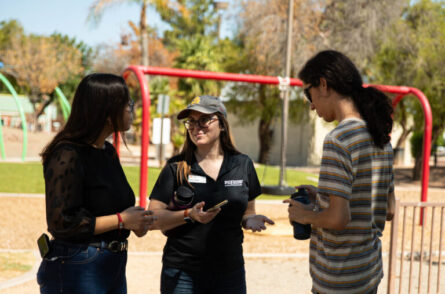
The City of Chandler hosts a robust park system, with over 60 public parks that provide residents and visitors access to outdoor green space and recreation opportunities throughout the community. Through its priority areas, the City invests in an expansive network of neighborhood and community parks to enhance quality of life and social cohesion. As […]