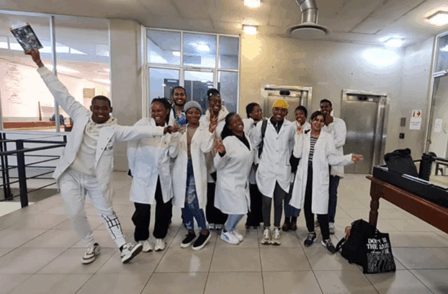
In 2024, the University of KwaZulu-Natal (UKZN), in collaboration with eThekwini Municipality, launched an innovative Work-Integrated Learning (WIL) programme for Plant Biotechnology students. This initiative provided students with hands-on experience in tissue culture, acclimatization techniques, and real-world applications of plant biotechnology. The pilot programme, which made up part of the coursework for an Honours module, […]
Read More… from Bridging Academia and Practice: Empowering Students through Work-Integrated Learning in Plant Biotechnology

Lusaka, Zambia, faces significant urban development challenges, including but not limited to rapid urbanization, inadequate infrastructure, poor waste management and high poverty. These challenges increase vulnerability to climate change impacts such as flooding, unbearable heat and water scarcity. The city’s informal settlements, such as Kanyama and Kalikiliki, are among the most affected. Poor waste management, […]
Read More… from Reimagining Lusaka: An Innovative Guide for Sustainable Urban Growth
The City of Durban, also known as eThekwini Municipality, has experienced three major flooding events over the past ten years (2017, 2019, 2022), which have had both localized impacts on informal settlements and city-wide consequences for infrastructure, besides multiple annual extreme weather events which occur at a smaller scale, but are very intense and destructive […]
Read More… from Deepening Urban Resilience: Durban’s Multi-Sector Expansion of Flood Adaptation Strategies
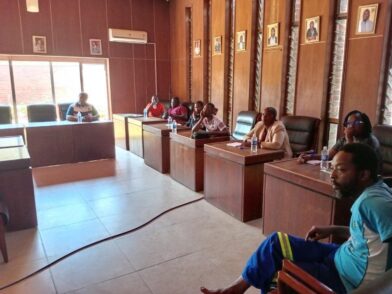
The city of Harare, Zimbabwe, has long struggled with deteriorating water quality and environmental conditions. Pollution, urban agriculture, and untreated sewage discharge have contaminated water sources, leading to increased levels of organic pollutants, nitrate, and phosphate. This contamination has resulted in issues such as fish deaths, periodic cholera outbreaks, and an overgrowth of invasive hyacinth […]
Read More… from Cleaner Waters for Harare: Innovation Through Collaboration
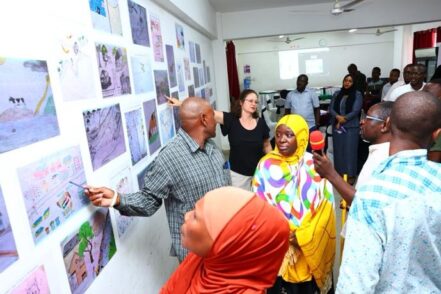
Mombasa City, Kenya is experiencing issues of solid waste management and the effects of climate change. Urbanization, population growth, and increased consumption have led to a tremendous rise in the generation of waste, most of which is improperly disposed of. Waste burning and dumping in open areas are common practices. The lack of public awareness […]
Read More… from Visual Arts for Waste Management and Climate Change Awareness in Mombasa
Brewerville, Liberia, has suffered from poor waste management for decades, which has led to serious environmental and public health problems. Lack of appropriate disposal areas, inadequate waste collection services, and overall ignorance all contribute to this issue. Unfortunately, waste often ends up in rivers, roadsides, or even being buried in residential compounds. All these activities […]
Read More… from A Cleaner Brewerville: Advancing Waste Management through Community Engagement
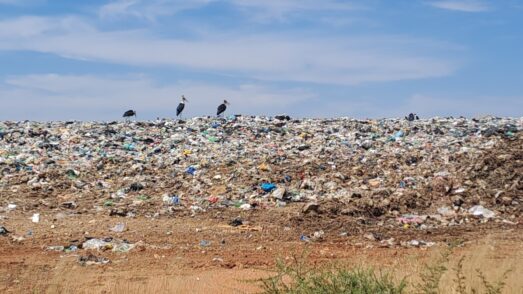
In November 2020, the University of Botswana and the Gaborone City Council signed a Memorandum of Understanding to share and exchange knowledge, resources, and information. Using the EPIC Model as their guide, the City Council and the University decided to work together to achieve development in multiple areas including waste management, environmental sustainability, and climate […]
Read More… from Botswana Tackles Wastewater Treatment and Solid Waste Management Collection Issues Through an EPIC Partnership with the University of Botswana
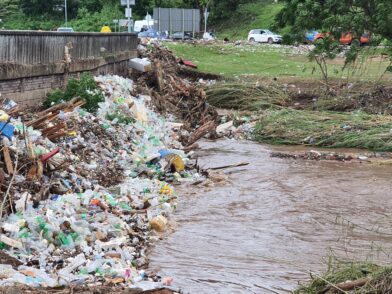
Many African cities are currently struggling to deal with issues such as resource scarcity, waste management, and environmental sustainability[SA1] [SO2] , all of which are likely to be worsened by climate change. EThekwini Municipality, more commonly known as Durban, in South Africa is no different. The population of Durban in the province of KwaZulu-Natal is growing rapidly. […]
Read More… from Creating Sustainable Solutions to Waste Management, Natural Disasters, and Invasive Species Outbreaks through EPIC Partnership in Durban
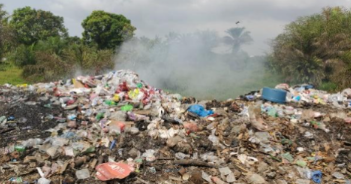
Brewerville City, situated in Montserrado County, Africa, is a municipality that is presently confronted with a severe waste management predicament. As a result of insufficient policy interventions, the general populace is confronted with an inadequate waste management system that clogs public spaces, waterways, and thoroughfares with refuse hazardous waste, nonrecyclable, and recyclable materials. The average Brewerville […]
Read More… from Brewerville Addresses Waste Management Crisis Through Collective Bargaining Agreement Facilitated by an EPIC Partnership
Like many other African cities, Lusaka is facing rapid urbanization and various challenges related to inequality, climate change, economic opportunity, and service delivery. The city is faced with limited technical capacity to deliver essential services to all 3.3 million people and with a growth rate of about 5% annually, Lusaka’s Local Authority is unable to […]
Read More… from Lusaka’s Expanding EPIC Partnerships Look to Solve Capacity Issues