The Tijuana River watershed originates in Mexico and flows into the Tijuana River Estuary, a protected coastal wetland in California where freshwater and saltwater converge, supporting unique biodiversity. This ecosystem is threatened by vegetation loss, pollution, sedimentation, and high levels of fecal bacteria at the river mouth, affecting both biodiversity and resilience. Around 250 families living in formal and informal settlements are directly impacted by this environmental degradation. Given its proximity and strong community ties, Universidad Iberoamericana Tijuana plays a key role in addressing this issue. Water pollution in the basin is not only a local concern but a national and international one, as contaminated flows into the United States create a binational conflict. The proposed project focuses on four priority intervention areas to enhance climate resilience: water quality monitoring and wastewater mitigation through phytoremediation and health impact studies; soil erosion control through cleanup and revegetation of degraded green areas; community communication strategies to promote stewardship of green spaces; and evaluation of legal pathways to ensure the protection of human rights.
Site Search:
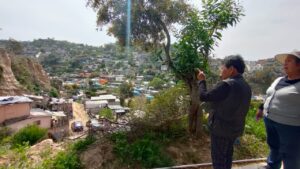
Restauración de servicios ecosistémicos en la Subcuenca Los Laureles, Tijuana, México
Metrics
- University Universidad Iberoamericana Tijuana
- Sustainable Development Goals 03 Good Health and Well-Being, 06 Clean Water and Sanitation, 10 Reduced Inequalities, 11 Sustainable Cities and Communities, 13 Climate Action, 17 Partnerships for the Goals
- Population Type Low Income
- University Department Architecture
- Lead Local Gov / Community Partner Org Name Costa Salvaje