Kristin Mroz Shows That “Smaller” Projects Can Lead to Important Outcomes
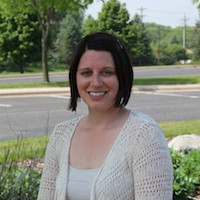
Kristin Mroz
GreenStep Cities and Tribal Nations Coordinator
kristin.mroz-risse@state.mn.us
Kristin Mroz’s LinkedIn
GreenStep Cities Twitter
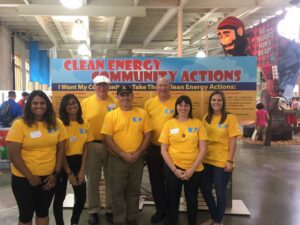
(Photo credit – Tom Reiter)
Favorite Place
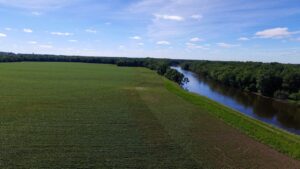
The William H. Houlton Conservation Area in Elk River will always be a favorite place of mine. I had the opportunity to help plan and support the transformation from a agricultural field to a native prairie landscape along the Mississippi and Elk rivers.
If applicable, briefly describe your first interaction with a school-community project and the impact it had on you.
My first experience with a school-community projects was working for the City of Elk River and partnering with the University of St. Thomas Sustainable Communities Partnership. Having not experience a partnership like this before, I wasn’t terribly optimistic about the outcomes but quickly realized how meaningful and helpful the partnership was for the city. I also enjoyed providing real-world experience for the students involved and often thought how helpful it would have been to experience this as a student myself!
Briefly, how did you first learn about EPIC-N?
I first heard about EPIC-N when the University of St. Thomas Sustainable Communities Partnership won an award for the partnership with the City of Elk River (I believe it would have been 2017). I could sense how meaningful the Network and the award was for SCP Director, Maria Dahmus. Although I wasn’t able to attend the ceremony, I am proud of this achievement.
What are some of the top priorities you are working on this year?
I know work for a statewide program called Minnesota GreenStep Cities and Tribal Nations that challenges, assists, and recognizes communities working on their sustainability, climate, and quality-of-life goals. The City of Elk River was and continues to be a participant of the GreenStep program, along with 146 other communities. I am excited to again work with the University of St. Thomas Sustainable Communities Partnership as a partner to identify collaborative projects that support our program and the many communities that we work with. We realize that not every community has the opportunity to partner directly with SCP or other partnerships so we hope to leverage our work for many cities and tribal nations to benefit at once.
In what ways are you looking to engage, or work with others, either from within the EPIC-Network or in general?
One thing that comes to mind is another network that I am involved with. I am a co-chair for the Sustainable States Network, a network of 15 statewide programs that support and recognize municipalities on their sustainability goals, plans, and actions. I would love to see how these two networks could learn from each other, collaborate, or cross-promote our efforts.
Why do you think the EPIC-Network is important?
Networks have the ability to build off of successes, reduce barriers, and achieve outcomes through the education, collaboration, and support that members bring to the table. We are all in this together.
What are you hoping attendees will take with them after attending your presentation?
During the EPIC-N Resilience Webinar Series featuring my past work alongside the University of St. Thomas EPIC model program, I hope that attendees are able to see how even the “smaller” projects can lead to important outcomes. Community partners and sustainability staff are often strapped for resources and burdened by competing priorities. Any amount of work that students are able to provide is a step in the right direction. Register to attend the upcoming webinar featuring Kristin.
Bio
After graduating from the University of Wisconsin-Stevens Point with a degree in Natural Resource Management, Kristin provided environmental education in Nicaragua as a Peace Corps volunteer before working as the Environmental Coordinator at the City of Elk River and the Local Government Coordinator (and GreenStep Cities co-director) at the Environmental Quality Board. Today, Kristin is the GreenStep Cities and Tribal Nations Coordinator with the Minnesota Pollution Control Agency, supporting Minnesota communities with assistance and recognition in the GreenStep program. Kristin is also a member of the GreenStep Schools (K-12) steering committee and is co-chair of the Sustainable States Network.