2025 EPIC-N Awards
EPIC-N is delighted to announce the 2025 EPIC-N conference award winners! We released a call for nominations for three awards: Partnership of the Year, Faculty of the Year, and Student of the Year. We received a number of nominations, all of which were excellent. The remarkable nominations received by EPIC-N made the decisions by our selection committee very difficult.
Please see the award winners below:
Partnership of the Year
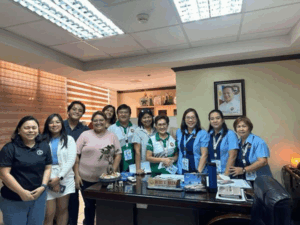
University of the Philippines Los Baños and the City of Calamba
The University of the Philippines Los Baños partnered with the City of Calamba to address the urgent and interrelated challenges faced by the ten lakeshore barangays of Calamba City, Laguna, brought about by its high vulnerability to prolonged and frequent flooding due to their proximity to Laguna Lake.
The students not only identified key areas for improvement but also facilitated the creation of a unified disaster risk reduction and management framework that incorporated various sectors, such as agriculture and environmental protection.
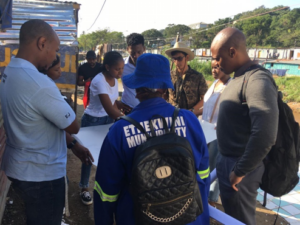
Durban EPIC Program and the City of Durban, South Africa
The partnership between the Durban EPIC Program at the University of KwaZulu-Natal and the city of Durban sought to address a significant lack of trust in the city government on the part of local communities in need of assistance. EPIC program leads within the city and within the university found that over time, students were able to relieve tensions within the communities and help build trust. They also opened up lines of communication between the city, the university and the affected communities. This greatly facilitated the ultimate success of the on-going work addressing the core challenges faced by the communities. These challenges included frequent devastating flood events that resulted in loss of lives, loss of services, loss of land and critical habitat, and destruction of dwellings.
Livable City Year and the Pacific County Economic Development Council
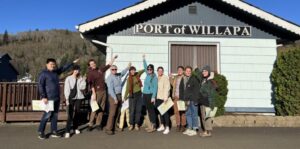
The University of Washington’s Livable City Year program is completing its third year in a successful partnership with the Pacific County Economic Development Council. During the past three academic years, LCY has completed 16 projects in partnership with PCEDC, roughly half of the projects related to housing and half related to economic development. Cumulatively, the partnership has given the county data and qualitative measures; case studies of comparable communities; financial analyses, reports and infographics to communicate with community stakeholders; and recommendations for next steps.
Faculty of the Year
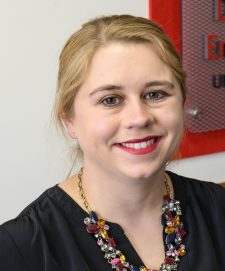
Dr. Andrea Hicks, Professor & Director of Sustainability Education and Research
Since 2017, Andrea has collaborated with seven Wisconsin communities through UniverCity Alliance. Andrea understands that sustainability is interdisciplinary and grounded in real-world challenges. Because of this, she chooses to teach her courses by embedding community-based projects because it provides the best learning experience for students. Incorporating her expertise in areas of life cycle analysis and industrial ecology into a community-based learning model allows students to reflect on the social justice aspects of sustainability. All of these scholarly pursuits were included in her tenure portfolio. She was successfully tenured by her department, which makes her one of the first faculty members in the College of Engineering to use community engagement in her tenure case. Andrea also received the UW–Madison Chancellor’s Award for Excellence in Community-Based Learning Teaching in 2020.
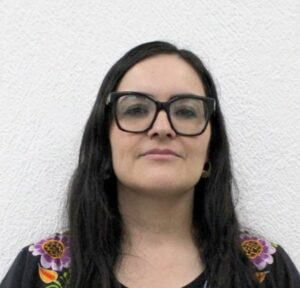
Dr. Fabiola S. Sosa Rodriguez, Professor
The UAM-EPIC La Piedad Lagoon Rescue project, spearheaded by Dr. Fabiola Sosa Rodríguez, has been making significant strides at the Autonomous Metropolitan University (UAM-EPIC) since its launch in January 2023. Dr. Sosa’s exceptional work on the UAM-EPIC project, aimed at rescuing La Piedad Lagoon, is notable for her innovative approach. She transcended traditional teaching and research frameworks by actively involving the community in tangible and measurable socio-environmental transformation processes. In just two years, Dr. Sosa has mobilized over 700 students trained in water restoration topics from 15 courses across nine undergraduate and three graduate programs. Additionally, 15 professors from three different campuses and disciplines, alongside more than 15 research assistants and community service students, have participated in the project.
Student of the Year
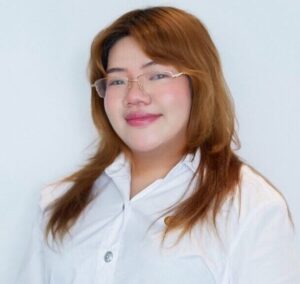
Sudarat Jutimusik, Thammasat University
Sudarat has consistently gone beyond expectations in her involvement with the EPIC program. In addition to her coursework, she has supported the lecturer, the EPIC Asia Coordinator, and other faculty members in reaching out to partner programs and expanding engagement with the network. She has represented the program in two EPIC-N conferences and also participated in the Gobeshona Global Conference in 2024, where she contributed to international discussions on climate change and community engagement. She is often the first to volunteer for School events, highlighting the work of courses adopting the EPIC model and helping raise visibility and understanding of community-engaged learning. In January 2025, Sudarat contributed to the EPIC workshop held in Bangkok, where she represented the voice of students during discussions with lecturers, local officials, and international participants.

Addison Cipowski, Indiana University Bloomington
Addison consistently went above and beyond by balancing a full academic course load while dedicating significant time and effort to the Sustaining Hoosier Communities project. Despite the demands of her coursework, she proactively schedule and conducted interviews, organized community visits, and meticulously developed both the practice brief and community presentation demonstrating exceptional time management and commitment to the project’s success. What truly set her apart was her ability to connect her academic and career goals with meaningful community impact. Recognizing broader systemic challenges during her work such as the role of broadband access in telehealth delivery she independently initiated and led a new project with KSB Impact students to conduct a broadband and technology assessment in another rural community.